Dry Ice Blasting for Mold Cleaning
Injection molders, die casters, and composite tool shops use dry ice blasting for mold maintenance when release residue, burned polymer, grease, and vent deposits must leave without embedding grit in polished cavities or rounding sharp shut-off edges. CO₂ pellets sublimate on impact, so the cleaning story is mechanical lift plus thermal shock, not abrasive cutting like heavy mineral blast. That difference protects expensive tooling surfaces while keeping presses down for shorter windows than full tear-down solvent cycles when the dry ice sandblasting method matches the soil, and the safety plan is written before the gun opens.
What belongs in scope before mobilization
Scopes should name mold alloy, cavity finish, soil type (release agent, carbon, color streak source), whether tooling is hot or cold during cleaning, nearby live electrical gear, and the visual standard maintenance expected at handback. Without that brief, dry ice blasting mold removal quotes compare incompatible assumptions; one vendor prices light release wipe, another prices burned-on purge on vent pins that need longer pass time and higher pellet consumption.
Dry Ice Blasting Mold Removal Technique
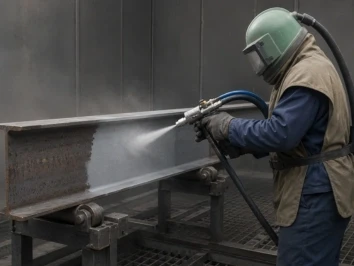
Effective dry ice blasting mold removal depends on pellet freshness, dry compressed air, stable feed, and stand-off bands logged on witness coupons from your actual inserts. Surge marks from wet air or worn sand blasting nozzles look like operator error, but trace to plant hygiene. Pass speed and pressure that work on aluminum backup plates may be too aggressive on coated cavity faces. Test patches on non-production corners belong in every onboarding packet. Multi-gun lines need simultaneous air modelling so header sag does not starve the second operator mid-shift during peak changeover cleaning.
Dry Ice Mold Removal
Teams choose dry ice mold removal when solvents raise VOC issues, extend dry time, or risk attacking delicate platings and texturing. Manual scraping still has a place on accessible flats, but sharp corners and deep ribs hide residue that becomes color streaks two thousand shots later. Dry ice reaches many vents and rib lands when access is planned with proper nozzles, yet it is not magic on fully sealed micro-features without complementary methods that your QA lead accepts in writing.
Sand Blasting Mold Removal
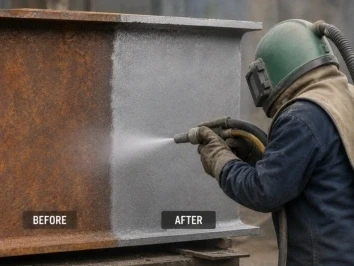
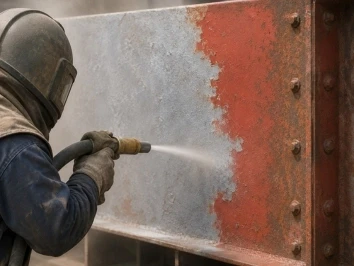
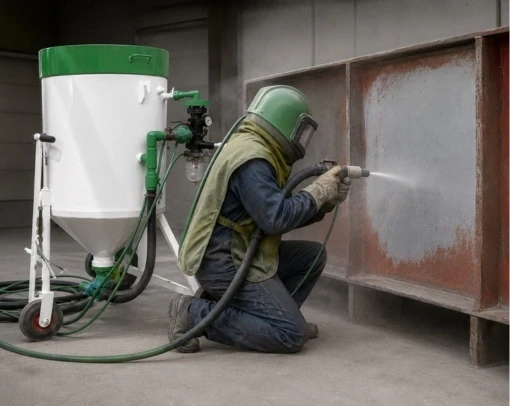
Sand blasting mold removal belongs in the conversation, honestly: aggressive mineral grit can strip stubborn scale on mechanical components, frames, and backup hardware, but it can destroy mirror-finish cavities and alter parting-line shut-offs if applied where polish matters. Many plants segregate work dry ice blasting for mold on cavity-facing surfaces, controlled abrasive only on sacrificial plates or external bolsters per written boundaries. Hybrid programmes fail when boundaries are verbal; inspectors should see mask diagrams and photos at turnover.
Comparing dry ice and abrasive on the same tool room
Tooling managers should document which features may never see mineral steel grit, which inserts can tolerate light bead, and where sand blasting mold removal is banned entirely. That matrix prevents night-shift shortcuts that save minutes and cost weeks of polish rework.
Dry Ice Mold Removal Cost
Dry ice mold removal cost rarely reduces to a single hourly rate. Estimators weigh pellet consumption per mold class, compressed-air treatment, number of cavities cleaned per shift, mobilization for on-press versus bench cleaning, CO₂ monitor rental or purchase, ventilation when work occurs in partially enclosed cells, and whether your team supplies dry air and power. Comparing vendors on identical mold sets and soil severity keeps benchmarking honest. Low bids that omit pellet tons or air-dryer upgrades often recover margin through change orders after the first color-streak emergency stops an automotive line.
Line-item transparency for maintenance budgets
Separate visibility into pellets, labor, equipment rental, nozzle spares, and standby during humidity spikes helps finance model annual tooling care instead of surprise outage invoices after a burned-on purge event during a hot runner campaign.
Injection molds, die cast dies, and composite tooling
Injection molds with vent-heavy inserts accumulate burned gas trails; die cast units fight solder and release build; composite and RTM tools may need gentler CO₂ parameters to avoid attacking gel-coat reference surfaces. Each family changes pass recipe, and whether cleaning occurs at production temperature, hot cleaning can be faster but demands stricter PPE and burn protection discipline. Document thermal state in the method statement so operators do not apply cold-shop recipes on hot tooling without approval.
On-press cleaning versus bench teardown
On-press dry ice blasting for mold minimizes disassembly hours when access nozzles reach critical vents and parting faces. Bench cleaning allows better lighting, rotation, and inspection photography but adds crane and assembly risk. Choose based on access reality, not slogans; sometimes a hybrid quick on-press purge plus scheduled bench detail balances streak reduction with labor cost.
Safety: CO₂ displacement, air injection, and dust from released soils
Sublimating pellets displace oxygen in hoppers, guards, and small guard enclosures. Pre-job hazard analysis must name portable monitors, ventilation, rescue readiness, and lockout boundaries before cleaning beside live platens. High-pressure air retains injection risk; deadman controls and sand blasting hose inspection remain daily habits. Released polymer dust and old release agents may still be respirable PPE tiers follow the soil, not assumptions that CO₂ is “just cold air.” Food- or medical-adjacent molding may add pellet sourcing and hygiene documentation beyond generic industrial practice.
Injection Mold Dry Ice Cleaning
Injection mold dry ice cleaning programmes tie directly to scrap rate: streaks, witness marks on gloss parts, and vent blockage often trace to maintenance intervals longer than soil accumulation justifies. Digital logs mold ID, date, recipe, pass time, and operator help correlate cleaning with SPC drift. When quality argues “mold is fine,” photos of vent pins and land areas after cleaning give maintenance and process teams a shared picture instead of opinions.
Equipment class: handheld, skid, and enclosure options
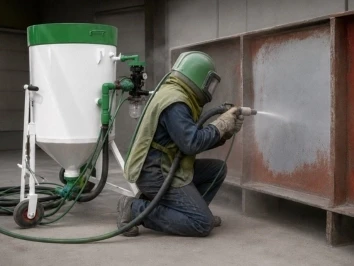
Handheld CO₂ guns suit targeted vent pins and localized purge; skid packages support tool-room throughput; partial enclosures help dust optics when polymer soils release visible fines. Air treatment in humid plants is non-negotiable; ice plugs from moist headers masquerade as feed failures. Sand blasting machine spare parts, nozzles, and regulator kits sized to declared weekly hours prevent express freight from stealing a scheduled changeover window.
When to call specialists versus in-house crews
In-house teams excel when recipes are stable, and molds repeat. Specialists help with first-time burned-on events, tight outage windows, or when HSE demands third-party method statements for customer audits. Either path should end with agreed visual standards and photos not “looks clean to me” at shift change.
Search visibility without empty ranking promises
No ethical supplier guarantees automatic “top rank” in search engines. Sustainable visibility comes from useful technical guidance, accurate metadata, and outcomes that sand blasting rooms can verify, lower streak scrap, documented recipes, and honest comparisons between dry ice mold removal and sand blasting mold removal boundaries, not keyword stuffing.
What to send for a faster quote or method review
Share mold photos, soil description, alloy and finish notes, hot versus cold preference, presses per week, and environmental constraints. We respond with dry ice blasting for mold assumptions, pellet consumption ranges, dry ice mold removal cost line-item structure, and when abrasive methods must be excluded from cavity-facing surfaces.