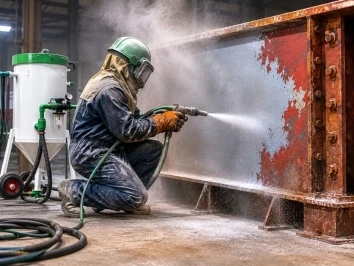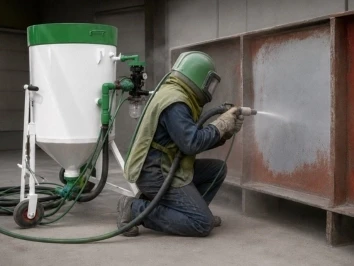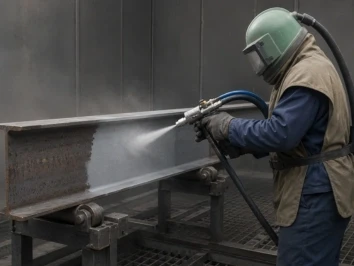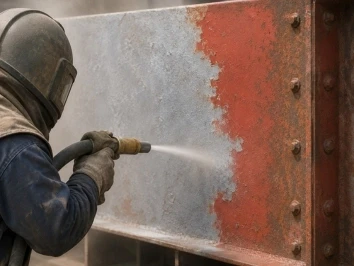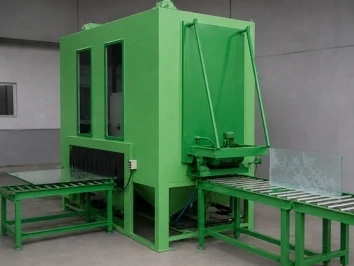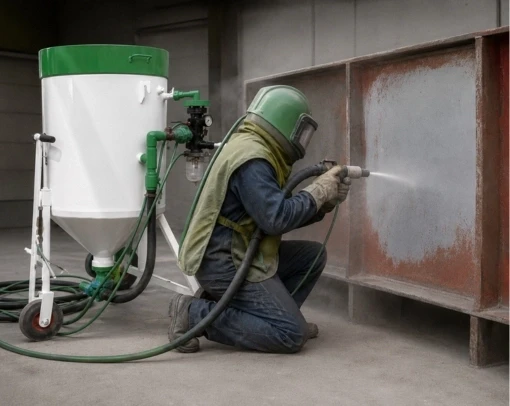
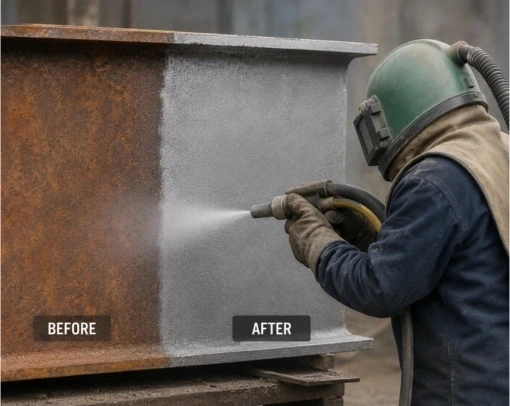
Effective sandblasting rust removal strips iron oxide, mill scale, and corrosion products so primers and high-build systems bond to sound metal instead of powdery rust. The goal is not a quick cosmetic wipe; it is a controlled abrasive garnet sand process that reaches the agreed cleanliness class, holds anchor profile inside gauge limits, and hands painters a surface they can prime before flash rust returns.
Sandblasting Rust Removal for Coating Performance
Coatings fail early when they sit on tight rust, loose scale, or contaminated steel. Specifications for tanks, bridges, gates, and plant steel usually demand near-white or commercial blast visuals plus measurable profile. Planning the pass sequence before mobilization prevents holidays at stiffeners and flange toes.
How Sand Blasting for Rust Removal Works on Real Assets
Teams using sand blasting for rust removal match media hardness, sand blasting nozzle size, and pressure to alloy thickness and corrosion severity. Angular steel grit cuts faster on heavy scale; gentler mineral or garnet may suit a thinner sheet when warp risk matters. Compressor CFM, hose length, and moisture separators must support sustained nozzle time, not just peak brochure numbers.
Field versus booth execution
Yard booths control rebound and lighting for trailerable fabrications. Installed beams, piping, and marine blocks need containment, wind breaks, and lift coordination. Quotes should state which environment applies, so painters and riggers book in the correct order.
Sand Blast Rust Removal on Structural and Tank Steel
Heavy programs framed as sand blast rust removal on structural and tank exteriors require staging maps: which elevations blast first, where stripe coats land, and how scaffolding hands off to blasters. Weld seams and heat-affected zones often need extra passes; witness coupons prove profile before full elevation work continues.
Pitting, laminations, and repair limits
Deep pitting may need weld repair before blasting can deliver a coatable surface. Document repair limits on isometrics so QC knows when metal is acceptable versus when section replacement is required.
Removing Rust with Sandblasting on Automotive and Ornamental Metal
Restorers removing rust with sandblasting on chassis, gates, and body panels must balance aggression against thin gauge. Smaller boron carbide nozzles, lower pressure, and shorter dwell reduce warp and peening on outer skins, while frames and undercarriages may tolerate more direct energy. Mask threads, machined bores, and glass-adjacent edges before the first pass.
After-blast hold time and primer windows
Bare steel clocks start when dust lifts. Dew-point monitoring, humidity control, and same-shift priming reduce flash rust arguments. If priming cannot follow immediately, agree on inhibitor use and maximum hold time in writing.
Media choice, profile, and inspection
Profile gauges and visual standards keep day and night crews aligned. When owners cite SSPC or ISO verbal equivalents, those targets belong in daily logs, not informal “looks clean” language. Soluble-salt tests may apply near coastal or chemical exposure; assign who performs them and what happens if readings fail mid-shift.
Recyclable versus expendable abrasive economics
Recyclable garnet or steel grit can lower material cost on large outages when recovery and screening are managed well. Single-use mineral may win on small patches where setup time dominates. Finance teams appreciate when proposals explain tons per shift assumptions instead of a flat “per square meter” guess.
Comparing Sandblasting Rust Removal Methods
Power tooling, needle guns, and chemical converters have roles, but they rarely deliver uniform profile across wide plate. Abrasive blasting machine remains the default when coating vendors require measurable anchor texture. Understanding where hand tools stop and mechanical blast starts prevents paying twice for the same elevation.
Marine, coastal, and high-humidity sites
Salt contamination on already-rusted steel may require washing or soluble-salt limits after blast. Coastal wind and tide windows compress primer time sequence work so blasters and painters share realistic hold periods rather than optimistic same-day promises that fail when humidity spikes at dusk.
Plant outages, piping, and equipment skids
Shutdown teams often blast flanges, vessel skirts, and skid frames while adjacent lines remain live. Barricade plans, gas monitoring in confined volumes, and instrument covers belong in the method statement before the first nozzle opens. Daily square-meter logs help project controls see whether the critical path is drifting.
Tie-ins after weld repair
Fresh welds need feathering into sound coating without leaving holidays at toes. Mark blast boundaries on isometrics so painters know where stripe coats begin. Matching profile across parent metal and repair zones prevents telegraphing through high-build systems.
Commercial clarity and change control
Separate mobilization, labor shifts, media consumption, disposal, equipment rental, and weather standby in quotes. Note whether power, air, cranes, or scaffolding are owner-furnished. Change orders should reference drawing revisions so scope creep during turnarounds stays traceable for procurement and QA.
Safety, dust, and regulated coatings
Older paint may contain lead or other regulated metals; sampling drives PPE, containment, and disposal manifests. Open blasting near occupied areas may need curtain walls and end-of-shift cleanup photos. Breathing-air quality, deadman handel controls, and sand blasting hose inspection remain baseline regardless of rust severity.
What owners should send before award
Share alloy type, photos of corrosion pattern, coating data sheet, approximate area, access method, and environmental sensitivities. Note shutdown windows and whether compressed air by air compressor or lifts are owner-furnished. That package keeps media tons and shift assumptions realistic.
Search visibility without empty ranking promises
No ethical vendor guarantees automatic “top rank” in search engines. Sustainable visibility comes from helpful technical pages, fast mobile performance, accurate schema, and field outcomes inspectors can photograph clearly. We focus on documented cleanliness, agreed profile, and coating-ready handovers, not keyword stuffing.
Practical outcomes you can verify
Before turnover, expect photographs of difficult geometry, profile readings where specified, and a clear statement of primer readiness. Those records protect warranty conversations and keep multi-contractor sites aligned on what “rust-free and coatable” means on your job.
Long-term maintenance mindset
Rust returns if drainage, insulation, or coating holidays trap moisture. Pair blast programs with design fixes, caulk details, drip edges, and ventilation where repeat corrosion appeared before. Surface prep solves the immediate bond problem; systemic fixes reduce how often you repeat the same costly outage cycle.