Sandblasting Paint Removal for Coating-ready Metal
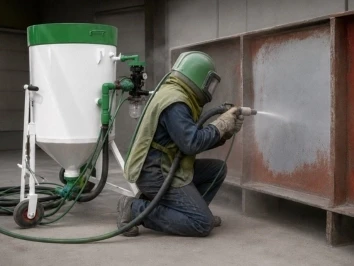
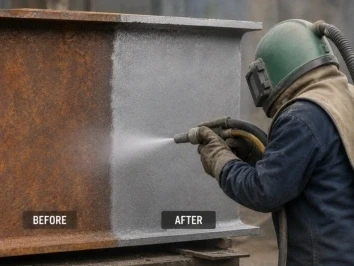
Professional sandblasting paint removal strips failed primers, intermediates, and topcoats, so new systems bond to sound substrate, not to chalky overspray or tight intercoat layers. The work is planned around coating chemistry, metal thickness, and how quickly painters can prime before contamination or flash rust returns. We are one of the best sand blasting machine manufacturer and suppliers of sand blasters all over the world.
What “fully stripped” means on your specification
Some jobs require removal to near-white metal; others allow tightly adhered remnants at edges. Define visual standards, profile range, and masked zones before mobilization, so field crews do not debate holidays at stiffeners during turnover.
When Sand Blast Rust Removal and Paint Stripping
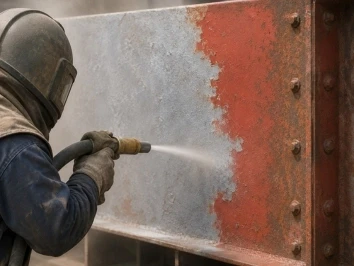
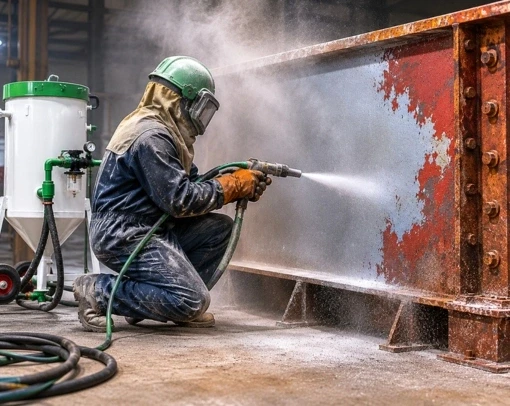
Many campaigns combine sand blast rust removal with coating removal on the same elevation. Multi-layer systems often hide corrosion under sound-looking paint; blasting reveals pitting that must be judged against repair limits. Sequence rough passes to lift paint, then refine profile on bare metal so gauges read consistently across the panel.
Lead-based and regulated coatings
Older industrial and architectural paint may require sampling, enhanced PPE, containment, and manifesting for debris. Dust control near occupied buildings is not optional when pigments are suspected to disclose building age and maintenance history during technical review.
Sandblasting to Remove Paint
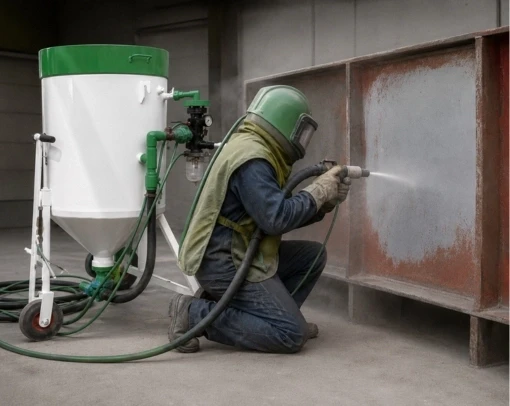
Owners specifying sandblasting to remove paint from metal should separate thin sheet from heavy plate in the method statement. Aggressive angular grit on automotive skins or ornamental scrolls can warp or peen closed; structural beams and tank shells may tolerate higher energy. Test patches on hidden faces confirm strip rate before full runs.
Masking threads, bores, and machined surfaces
Plugs, tape, and removable shields protect threads, bearing seats, and seal faces from embedment. Photograph mask lines at handover so downstream assembly teams know which features were intentionally left untouched.
Finding Sandblast Paint Removal Near Me
Searching sandblast paint removal near me is often the first step before a shutdown or facade program. Proximity affects mobilization cost, but compare written scopes: media type, containment, disposal, profile verification, and primer hold time. Identical line items for labor, media tons, and weather standby make benchmarking honest across local vendors.
Urban, campus, and neighbor-sensitive sites
Curtain walls, night-only windows, and sound limits may dictate softer schedules or vacuum-assist options. Pre-job walkthroughs with facilities and community liaisons prevent costly stop-work orders after blasting has already started on high-visibility elevations.
Media, pressure, and productivity on paint stacks
Epoxies, urethanes, zinc-rich primers, and powder coats release at different rates under abrasive energy. Thicker systems may need staged passes rather than one aggressive sweep that risks gouging soft metal. Sand blasting nozzle wear accelerates on sharp media budget spare nozzles for multi-shift outages so production does not idle waiting for parts.
Profile targets for the next coating system
Your new paint vendor’s data sheet translates into anchor profile and cleanliness class. Witness coupons and gauge readings belong in daily logs, not informal “looks good” sign-offs at shift end when inspectors arrive the next morning.
Shop blasting versus field execution
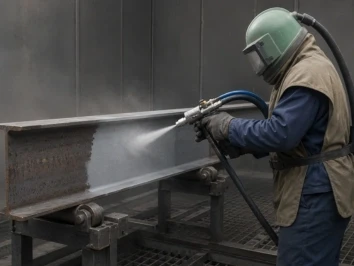
Yard booths suit gates, skids, and trailerable fabrications with controlled lighting and rebound. Installed steel, tanks, and bridges need wind breaks, lift coordination, and dew-point awareness. Quotes should state which environment applies so painters and riggers can sequence correctly.
Automotive, OEM, and ornamental programs
Restoration bays balance strip speed against panel thinness. Chassis and undercarriages may tolerate more direct energy than outer skins. Temperature on sunny panels and dwell time at each pass should be logged so warp risk stays controlled through multi-day jobs.
Comparing strip methods before you award
Chemical stripping, laser ablation, and hand tooling have niches, but wide-area metal repaint programs usually return to an abrasive blasting machine for a uniform profile. Understanding where alternatives stop saves paying twice on the same elevation when the coating vendor still demands measurable anchor texture.
Marine, coastal, and chemical exposure
Salt and process residues under old paint may require washing or soluble-salt limits after stripping. Coastal humidity compresses primer windows sequence shifts so painters are realistically staffed when blast crews call surfaces ready, not hours later after flash rust appears.
Plant outages, piping, and equipment frames
Shutdown paint removal on flanges, vessel skirts, and skid frames often runs beside live lines. Barricades, gas monitoring in confined volumes, and instrument covers belong in the method statement. Daily production logs tied to accessible square meters keep critical-path meetings grounded in facts.
Handoff to primers, linings, and metallizing
Bare metal clocks start when dust lifts. Agree on maximum hold time, humidity limits, and whether inhibitors are allowed before stripe coating welds. Tie-in blasting at repairs must feather into sound coating without leaving holidays that painters will reject at inspection.
Waste, housekeeping, and documentation
Paint chips and spent abrasive still require drums, labels, and manifests where regulations apply. End-of-shift cleanup photos support neighbor relations and internal audits. Digital turnover packs with photos of difficult geometry reduce arguments about coverage at closeout.
Commercial line items owners should expect
Transparent proposals separate mobilization, labor shifts, media tons, disposal, equipment rental, and weather standby. When power, air, cranes, or scaffolding are owner-furnished, say so up front. Change orders tied to drawing revisions keep multi-week paint stripping programs auditable for finance, procurement, and QA teams.
Search visibility without empty ranking promises
No ethical partner guarantees automatic “top rank” in search engines. Sustainable visibility comes from helpful technical pages, fast mobile performance, accurate schema, and outcomes inspectors can verify on site. We focus on documented strip quality, agreed profile, and coating-ready handovers, not repetitive keyword blocks.
Share substrate photos, thermal spray coating history, approximate area, access method, environmental sensitivities, and target primer or lining system. Note shutdown dates and whether compressed air by air compressor, lifts, or containment is owner-furnished, so assumptions stay realistic for your entire paint removal program.
Long-term performance after repaint
Stripping alone does not fix chronic moisture traps or design details that caused prior failures. Where peeling is repeated on the same detail, pair removal with drainage, sealant, or ventilation improvements so the new coating system lasts beyond the first warranty period.