
CO₂ pellet cleaning • Low secondary waste
Dry Ice Sandblasting Service
for delicate equipment and controlled cleaningWe deploy dry ice sandblasting where abrasive piles, moisture, or grit contamination would cost more than the cleaning itself, then document limits honestly so your coatings and QA teams know exactly what was achieved.
Core Service Section
Dry Ice Sandblasting
Dry ice sandblasting is ideal for sensitive industrial environments where traditional abrasive media and standard sand blasting machine processes are not suitable. This advanced cleaning method is widely used for packaging lines, printing equipment, electrical rooms, turbines, cooling systems, and precision production machinery, where low-residue cleaning and reduced contamination risks are critical. Our dry ice blasting process combines controlled sand blasting nozzle selection, airflow balance, and calibrated pass mapping to ensure delicate ribs, cooling fins, and sensitive components receive effective cleaning without excessive surface impact.
Dry Ice Blasting Machine
Using advanced dry ice blasting machine systems, we support production equipment de-coating, contaminant removal, and maintenance cleaning without grit intrusion into operational machinery. This makes dry ice blasting service highly effective for facilities that require minimal downtime and faster return-to-production schedules. The process is also widely used alongside larger remediation projects involving fire restoration, smoke residue removal, mold cleanup, and industrial contamination control.
Our dry ice blasting solutions are engineered for maintenance shutdowns and operational windows where rapid cleaning, reduced secondary waste, and controlled surface treatment are essential. Compared to conventional sand blasting machine operations, dry ice cleaning minimizes cleanup requirements while supporting safer and more efficient maintenance procedures. By combining precision cleaning methods, practical field coordination, and high-performance dry ice blasting equipment, we help industries maintain reliable equipment performance and faster operational recovery.
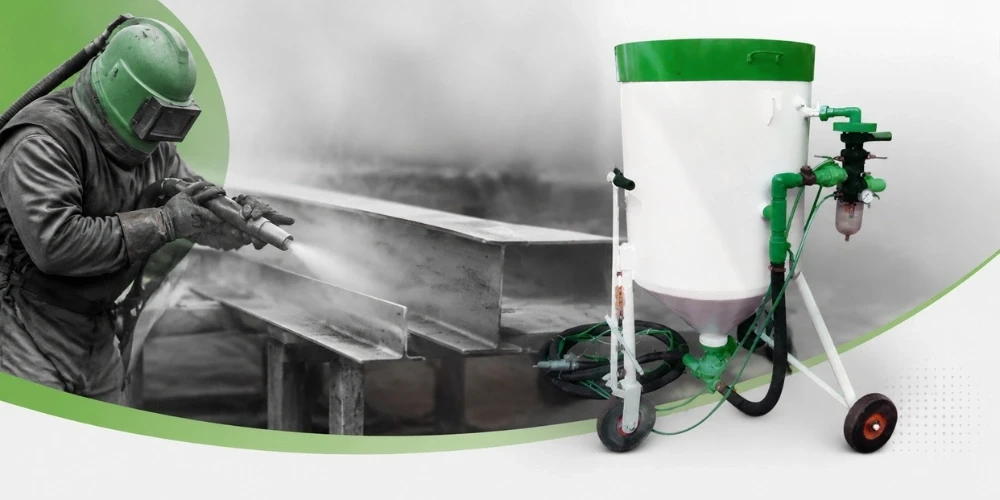
Service planning begins with understanding base metal condition, contamination type, and required finish before choosing blasting method.
Lead trigger: accurate scope definitionBetter outcomes come from selecting the right abrasive media, pressure band, nozzle setup, and coverage sequence for each application.
Lead trigger: right process for right surfaceFor production-critical jobs, structured communication on schedule, consumables, and maintenance support improves operational confidence.
Lead trigger: low-downtime service deliverySpare Parts Services
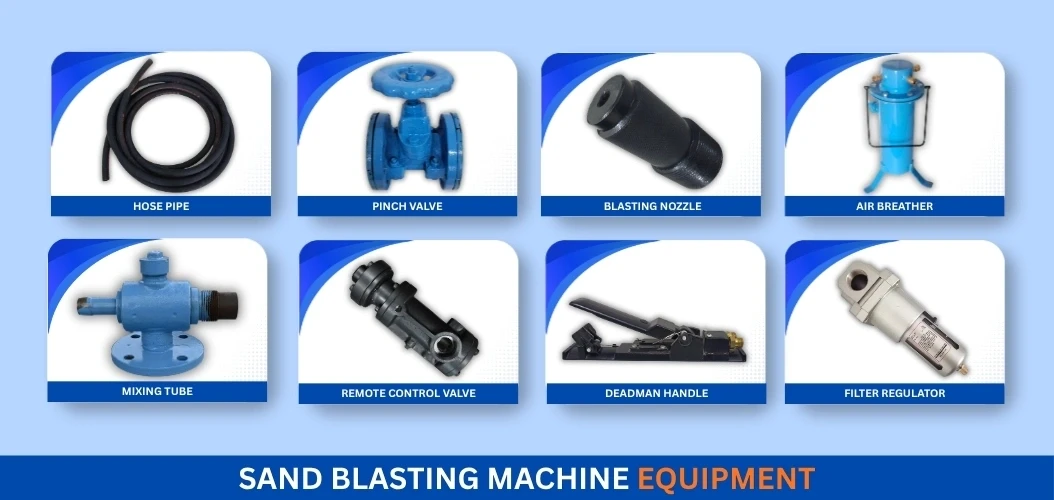
Dry ice sandblasting Spare Parts
Our dry ice blasting service is planned with transparent operational costing so industrial clients can manage maintenance budgets with confidence. Pellet consumption, technician deployment rates, cleaning duration, and waste handling for removed coatings are clearly separated during project estimation to avoid hidden costs after mobilization. This structured pricing approach helps finance teams accurately reconcile expenses across shutdowns, remediation work, and industrial maintenance programs.
Using advanced dry ice blasting machine systems and precision cleaning methods, we support controlled surface preparation without introducing abrasive steel grit into sensitive production areas. Our dry ice blasting process is widely used for equipment cleaning, thermal spray coating removal, contamination control, electrical maintenance, and industrial restoration where reduced secondary waste and minimal operational disruption are important.
Before committing to long-duration cleaning campaigns, customers can request a sample test patch using their actual substrate, contamination layer, or coating condition. This practical evaluation helps verify cleaning efficiency, surface response, and production suitability before full-scale dry ice blasting service deployment. By validating cleaning performance in advance, industries can improve planning accuracy, reduce operational uncertainty, and maintain better maintenance scheduling.
Whether the project involves industrial machinery cleaning, restoration support, or sensitive maintenance work, our dry ice blasting solutions are designed for predictable execution, controlled cleaning energy, and dependable field performance using professional-grade abrasive sandblasting equipment and operational planning.
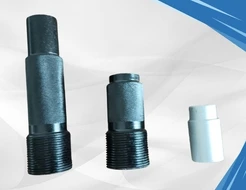 Dry Ice Blast Nozzle
Dry Ice Blast Nozzle
Precision-engineered dry ice blast nozzle delivers controlled pellet flow for efficient surface cleaning, reducing media waste and ensuring consistent blasting performance.
 Pellet Feed Hose
Pellet Feed Hose
Flexible pellet feed hose safely transfers dry ice pellets without blockage or cracking, supporting smooth operation and maintaining uninterrupted blasting efficiency.
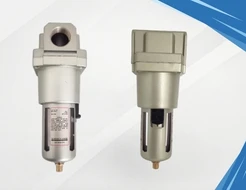 Air Pressure Regulator
Air Pressure Regulator
High-performance air pressure regulator controls compressed airflow accurately, improving blasting precision, reducing energy consumption, and protecting machine components.
 Dry Ice Hopper
Dry Ice Hopper
Insulated dry ice hopper preserves pellet quality by minimizing temperature loss, ensuring continuous feeding and maintaining effective cleaning performance during operation.
 Control Panel Assembly
Control Panel Assembly
The advanced control panel assembly provides easy adjustment of blasting settings, improving operational accuracy, user convenience, and overall machine productivity.
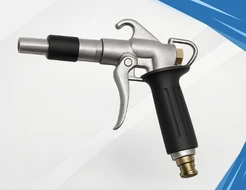 Blast Gun Trigger
Blast Gun Trigger
Ergonomic blast gun trigger offers comfortable handling and instant response control, enhancing operator safety and allowing precise dry ice blasting applications.
 Moisture Separator Filter
Moisture Separator Filter
Efficient moisture separator filter removes water contaminants from compressed air lines, preventing ice buildup and ensuring reliable dry ice blasting performance.
 Pneumatic Solenoid Valve
Pneumatic Solenoid Valve
Durable pneumatic solenoid valve regulates airflow and pellet delivery accurately, supporting stable blasting pressure and extending the machine’s operational lifespan.
Maintenance Services
Maintenance Support That Protects Uptime
Dry Ice Sandblasting Fundamentals for Precision Cleaning
Dry ice sandblasting, often called CO₂ blasting, uses solid carbon dioxide pellets or shaved particles as the cleaning medium. Upon impact, pellets sublimate back to gas, which means no spent abrasive pile like garnet or slag. That single property drives adoption in food plants, power distribution rooms, and mold remediation, where secondary media contamination is unacceptable, even though the process does not create a traditional anchor profile for heavy structural repaints the way angular steel grit does.
How the Process Differs from Conventional Abrasive Blasting
Think kinetic cleaning versus micro-peening. Dry ice removes many organic films, adhesives, and light corrosion products through thermal shock and expansion stress, but it will not replace heavy mill-scale removal specs that demand deep anchor patterns. Matching method to specification is what keeps warranty fights off your desk.
Choosing the Right Dry Ice Blasting Media Grade
Dry ice blasting media is not one-size-fits-all: pellet hardness, diameter, and delivery geometry change aggression and cleaning rate. Shaved particles suit delicate assemblies; larger pellets carry more impulse for stubborn release coats. Your vendor should document tungsten carbide nozzle type, feed rate, and air pressure against substrate maps so maintenance teams can reproduce settings after the first successful shift.
Air supply, pellet logistics, and storage discipline
Pellets sublime from the moment they are manufactured, so logistics chains, insulated bins, minimized transport time, and batch sizing per shift matter as much as air compressor quality. Running out of fresh pellets mid-outage is the silent schedule killer.
Dry Ice Blasting for Rust Removal on Sensitive Assemblies
When buyers evaluate dry ice blasting for rust removal, they should clarify whether the goal is cosmetic light rust on painted housings versus structural scale on bare steel destined for hot-dip galvanizing. Dry ice can lift flaky oxidation and surface staining without altering machined tolerances, but it will not deliver the heavy profile some coating systems demand. If your data sheet calls out Sa 2½ with a measurable profile, compare alternate methods early.
When to pair dry ice with secondary prep
Hybrid programs exist: dry ice for delicate areas, then localized steel grit or power tool prep only where the specification allows. Document interfaces so inspectors know exactly where each method stops.
Ice Blasting Paint Removal for Equipment and Tooling
Ice blasting paint removal excels on production equipment where overspray builds on guards, conveyors, and sensor brackets. Because CO₂ leaves no abrasive media residue, you reduce the risk of steel grit entering bearings or linear guides after cleaning. Always test strip rates on representative paint chemistry epoxies, urethanes, and powder coats, as they release differently under cold shock.
Masking, fixtures, and nearby elastomers
Cold shock can embrittle certain plastics if dwell time is excessive. Mockups on sacrificial parts establish safe stand-off and pass speed before touching production assets with serialized tolerances.
Dry ice blasting rust removal versus flash corrosion risk
Another angle on dry ice blasting rust removal is post-clean exposure: bare steel can still flash rust after any cleaning method if humidity spikes. Sequence dry ice passes with inhibitor wipes or immediate primer where your MRL demands it. The absence of damp slurry can actually shorten dry sand blasting machine time compared with wet blasting machine procedures, but climate control during the handoff window still matters.
Industrial dry ice sandblasting service planning
A professional dry ice sandblasting service should deliver written scope boundaries: what class of soils are targeted, what cleanliness visual is expected, and which standards, if any, apply when anchor profile is not the success metric. Food-grade facilities may require CO₂ sourced under documented food safety expectations; sand blast rooms may require oxygen monitoring when blasting in confined volumes. Those details belong in the pre-job hazard analysis, not footnotes.
Training, PPE, and hearing conservation
Even without airborne steel grit, CO₂ gas displacement, and high-decibel air streams, demand hearing protection, gloves against cold burns, and confined-space protocols when barrels or tanks are entered after external cleaning.
Electronics, turbines, and print industries
Print rollers, electric motor windings, and turbine components are frequent dry-ice wins because the process avoids embedding media in windings or cooling passages. Still, static precautions and connector masking remain essential; sublimation does not magically remove ESD policy.
Fire restoration, mold, and odor-affected assemblies
Restoration contractors value dry ice for char removal on framing, where a wet abrasive blasting machine would raise grain moisture. Mold projects pair mechanical removal with biocide plans dictated by hygienists. Dry ice is one tool in a larger protocol, not a standalone guarantee of spore clearance.
Environmental notes that procurement teams appreciate
CO₂ is recovered as a by-product of other industrial processes for pellet manufacturing; site teams still track energy use of air compressors and the carbon accounting your enterprise may require. Transparent reporting beats green buzzwords in audits.
Commercial structure: what belongs in the quote
Separate line items for pellet consumption, technician hours, mobilization, waste handling of dislodged paint chips (still solid waste even without abrasive), and any containment or lift rental. Surprises appear when buyers assume “no media” equals “no disposal.”
Shift reporting and reproducibility
Because CO₂ cleaning is sensitive to stand-off, angle, and dwell, we log parameters per zone in the daily report. That discipline lets night crews pick up exactly where day crews stopped and gives your reliability engineers a paper trail if a bearing temperature changes months later.
Barcode or asset-tag photos appended to each shift note make turnover meetings faster when multiple vendors share the same line.
Quality, safety, and honest expectations for search visibility
No ethical partner promises automatic “top rank” positions in search engines. Rankings follow helpful content, technical site health, authoritative backlinks, and real user satisfaction. This page is structured with clear headings, natural language, and answers to the questions buyers actually ask, so humans and crawlers can judge relevance quickly.
What to send for an accurate technical proposal
Provide substrate photos, coating or soil type, temperature, and humidity range during work, nearby sensitive equipment, and any standard you must meet. We respond with a method note that states where dry ice sandblasting is the primary cleaner and where another process should augment it, so your scope package stays defensible to QA and finance.
Routine inspection guidance reduces unexpected stoppages and improves planning for blasting checks and consumable replacement.
Lower operating riskFast support for abrasive flow issues, nozzle wear, pressure drop, and uneven surface finish without long operational delays.
Quick service responseOperational guidance on setup, consumables, and usage patterns helps improve finish quality, coverage speed, and service efficiency.
More value from investmentRequest a Dry Ice Sandblasting Service Plan
Send substrate photos, coating or soil type, and sensitivity notes (food, electronics, neighbors). We reply with pass parameters, safety addenda, and a commercial structure aligned to your QA language.
- Free technical consultation
- Customized quote with 30 minute response
- No spam, no obligation
- Direct from manufacturer pricing
- WhatsApp support available
- AMC and maintenance support available
Share a few details — our experts reply within 30 minutes with pricing and recommendations.
100% secure. We never share your information.
Why this service page exists
Maintenance heads, project teams, and fabrication buyers usually evaluate service capability before finalizing vendor discussions. This page is designed to present sand blasting service strength with clearer process, support depth, and execution confidence.
This section is designed as an enterprise value presentation to improve trust, clarify service capability, and support faster technical-commercial decisions.
Service scope, surface requirement mapping, and process planning aligned to target finish and production constraints.
Built for practical executionStructured method selection and consumable guidance support uniform cleaning profile and coating-ready surfaces.
Stronger outcome reliabilityBetter coordination for manpower, consumables, machine readiness, and service schedule to reduce project delays.
Lower onsite frictionAfter-service continuity through spare support, troubleshooting access, and preventive guidance that keeps operations stable.
Supports long-term service valueCommon questions
What is dry ice sandblasting used for?
It is used to strip paints, adhesives, release agents, and light soils from equipment, tooling, and certain building surfaces without leaving abrasive grit behind. Common wins include production lines, print assets, electric apparatus, and fire or mold support work when paired with a broader remediation plan.
Will dry ice remove heavy structural rust or mill scale?
Usually not to the depth heavy industrial coatings require. Dry ice excels at surface-level oxidation and many coatings but does not produce deep anchor profiles like angular grit. If your spec demands measurable blast profile, we will flag where alternate prep must augment CO₂ cleaning.
Is dry ice blasting safe around food production?
Many plants use it because pellets sublimate to gas, reducing abrasive contamination risk. Still, you must manage dislodged coating chips as waste, follow your food safety program, and verify CO₂ supplier documentation when auditors ask for traceability.
What utilities and space do crews need?
Clean, dry compressed air at the agreed pressure and volume, safe staging for pellet bins, and clear paths for hoses. Confined-space rules may apply inside vessels even when the method is “dry,” because CO₂ gas can displace oxygen during extended work.
How fast do dry ice pellets lose mass?
Pellets sublime continuously, so batch sizing and insulated logistics matter. We plan deliveries per shift consumption so you are not paying for ice that turns to gas in the parking lot before it reaches the nozzle.
Can you strip paint from delicate substrates?
Often yes, after test patches confirm release without damaging the base material. Thickness, chemistry, and underlying plastic or composite layers all influence pass speed. Expect conservative first passes before ramping productivity.
What waste is generated if there is no abrasive?
Dislodged paint, char, or soil still becomes solid waste requiring drums and manifests where regulations apply. You also track filters, rags, and any containment materials. “No media” does not mean “no disposal paperwork.”
How should I compare dry ice service quotes?
Ask for separated pellet costs, labor rates, mobilization, disposal, equipment rental, and standby rules. Request parameter logs from a similar job and confirm who supplies compressed-air treatment so moisture does not ice up lines mid-shift.