
Water-assisted abrasive prep
Water Sandblasting
when dust control and coating handoff both matterWe combine moisture-controlled abrasive delivery with documented drying or blow-off steps—so you gain quieter optics than open dry blasting without ignoring profile, salts, or the primer window your coating vendor expects.
Core Service Section
Water Sandblasting Service
Core services for water sandblasting or wet blasting machine span engineered surface preparation, where dust control, neighbor optics, or live-plant proximity matter as much as strip rate. We deliver method-led campaigns, venturi wet heads, slurry or flooded-ring approaches, and recovery-minded workflows matched to steel, tank externals, masonry facades, and localized industrial touch-ups. Each scope defines water introduction, abrasive family, target cleanliness or profile where specified, drying or blow-off steps, and handoff timing to your primer crew so bare steel does not sit beyond the data sheet.
Wet Sand Blaster
Our core team sequences containment, compressed-air or pump discipline, daily nozzle and sand blasting hose inspection logs, and shift photography on difficult geometry. We align parameters with your coating vendor before work starts, run agreed test patches, and document environmental cutoffs (wind, freeze, humidity) so production stays predictable. Whether you need a compact wet sand blaster program inside a plant aisle or a staged exterior campaign, you receive one accountable plan from mobilization through turnover, not improvised field guesses.
- Water-assisted abrasive stripping with written dust and runoff controls
- Test patches, profile, or cleanliness checks where the spec demands them
- Coordination with painting on bare-metal clocks and compatible primers
- Industrial, infrastructure, and sensitive-site touch-ups on agreed boundaries
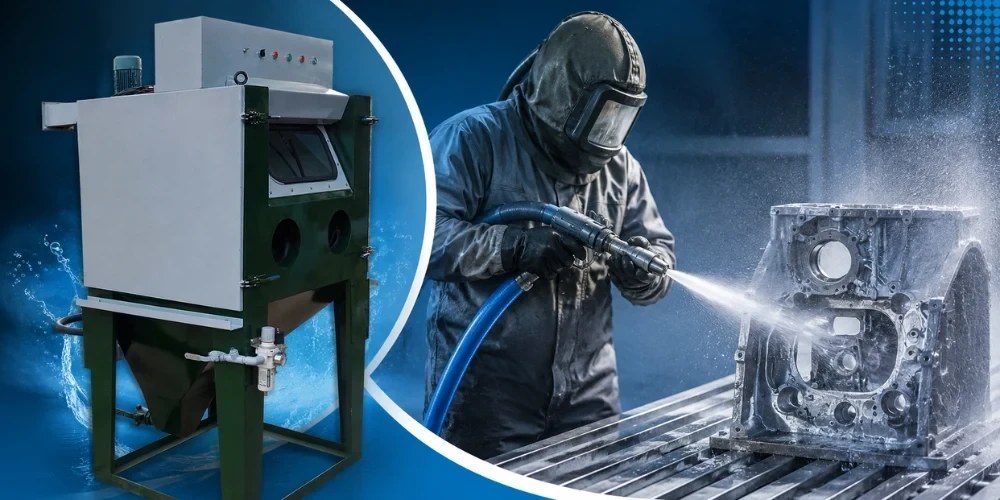
Service planning begins with understanding base metal condition, contamination type, and required finish before choosing blasting method.
Lead trigger: accurate scope definitionBetter outcomes come from selecting the right abrasive media, pressure band, nozzle setup, and coverage sequence for each application.
Lead trigger: right process for right surfaceFor production-critical jobs, structured communication on schedule, consumables, and maintenance support improves operational confidence.
Lead trigger: low-downtime service deliverySpare Parts Services
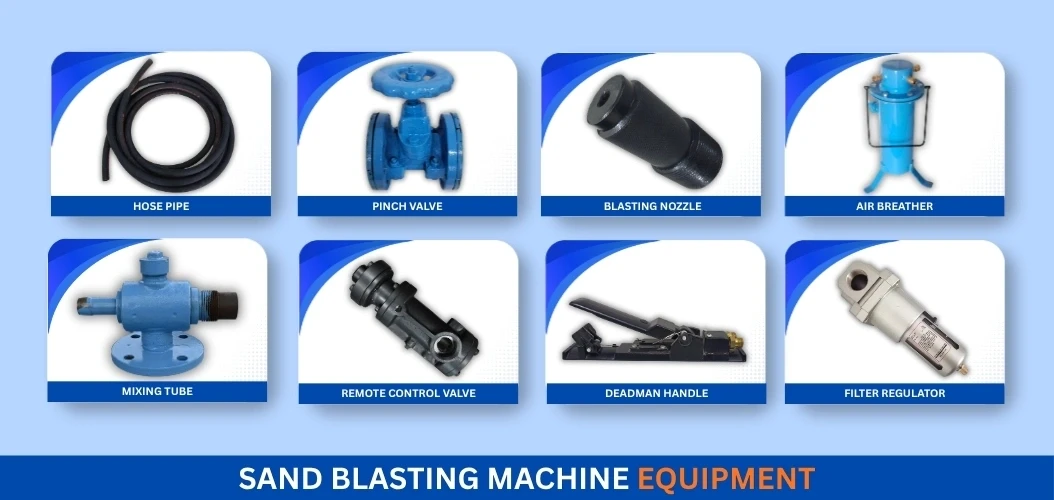
Water Sand Blaster Spare Parts
Spare parts services keep water and sand blaster rigs productive after the commissioning honeymoon ends. We maintain kits aligned to your nozzle series( tungsten carbide nozzle, boron carbide nozzle, silicon carbide nozzle), hose diameters, mixing inserts, check valves, seals, and wear items that erode first under wet slurry duty. Stocking logic follows your weekly hours, water quality, and whether crews run a water sandblaster pressure washer style head or a larger pump-fed package. Each topology burns different consumables at different rates.
Support includes rapid identification against serial or model tags, recommended on-hand quantities for shutdown windows, and honest lead-time flags on long-cycle electrical or pump components. Training covers storage of spare nozzles dry, winterization where rigs idle outdoors, and inspection cadence so a high-pressure water sand blaster does not fail mid-shift for a predictable gasket. Optional service agreements bundle scheduled visits with measurement of orifice wear, so procurement sees consumption trends before outages force express freight.
- Matched sand blasting nozzle, holder, and sand blasting hose coupling assemblies for your pressure class
- Water manifold seals, check valves, and mixing wear components
- Shutdown-window spare packs sized to declared production hours
- Documentation tied to serial, so stores teams order the correct revision
 Water Blast Nozzle
Water Blast Nozzle
High-performance water blast nozzle combines abrasive media with pressurized water for efficient surface cleaning while reducing airborne dust during blasting operations.
 Abrasive Mixing Tube
Abrasive Mixing Tube
Durable abrasive mixing tube ensures proper blending of water and blasting media, delivering smooth flow and consistent cleaning performance on metal surfaces.
 High-Pressure Hose
High-Pressure Hose
Reinforced high-pressure hose handles continuous water and abrasive movement safely, supporting reliable blasting performance in demanding industrial environments.
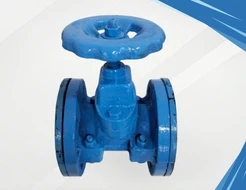 Water Flow Regulator
Water Flow Regulator
Precision water flow regulator controls pressure balance accurately, helping operators achieve uniform blasting results while reducing unnecessary water consumption.
 Sand Suction Probe
Sand Suction Probe
Heavy-duty sand suction probe transfers abrasive media smoothly into the blasting stream, preventing interruptions and improving operational cleaning efficiency.
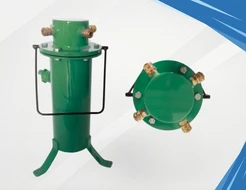 Inline Water Filter
Inline Water Filter
An advanced inline water filter removes dirt and debris from the water supply, protecting blasting equipment and supporting long-term operational reliability.
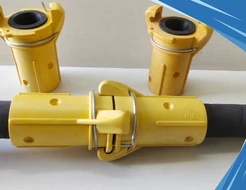 Blasting Hose Coupling
Blasting Hose Coupling
Corrosion-resistant quick lock blasting hose coupling provides secure hose connections and faster equipment setup, improving productivity during industrial blasting applications.
Maintenance Services
Maintenance Support That Protects Uptime
Water Sandblasting for Lower Dust and Controlled Surface Cleaning
When dry open blasting creates unacceptable fines, or when you need to knock down dust optics without giving up mechanical cutting action, water sandblasting (water-assisted abrasive cleaning) blends moisture with grit so rebound scatter stays heavier and easier to capture. The approach is not one universal machine category; it is a family of methods spanning venturi wet heads, sand blasting nozzles, slurry pots, and engineered booths. Procurement should ask how water enters the stream, how slurry is recovered, and how your coating vendor interprets the resulting surface appearance compared with bone-dry grit sparkle.
How a Water and Sand Blaster Differs from a Pressure Washer Alone
A water and sand blaster still relies on abrasive kinetic energy to strip paint, scale, and corrosion; water primarily suppresses dust and can help manage heat on thin substrates. A plain high-pressure washer may clean loosely adherent soil or chalky paint but will not deliver the anchor profile many industrial specs demand. When marketing blurs the line, insist on test patches, profile readings where required, and photos under agreed lighting so “clean” does not get confused with “profile-ready.”
Choosing a Wet Sand Blaster
Buyers comparing a wet sand blaster should document compressor or pump capacity, hose length, wet blasting nozzle series, water quality, and whether work is fixed in a booth or mobile on scaffolding. Urban facades, live plants, and occupied campuses often steer teams toward wetter processes because neighbors react to visible plumes faster than they read your method statement. That preference still has to reconcile with wastewater handling, freeze risk in winter, and how quickly bare steel moves to primer.
Water sandblaster pressure washer style rigs and their limits
Field crews sometimes adapt a water sandblaster pressure washer configuration for touch-ups, graffiti programs, or small-area coating removal where mobilizing a full dry rig is disproportionate. These setups can be effective on masonry and certain metal tasks when tuned conservatively. The risk is over-pressuring the thin sheet or driving water into insulation, switchgear, or lap joints that will not dry before coating. Written boundaries where the tool may run, maximum stand-off, and daily volume assumptions keep expectations aligned with reality.
High pressure water sand blaster applications and safety discipline
Any high pressure water sand blaster program inherits the hazards of water jetting: injection injuries, slip hazards from wet floors, and electrical discipline around temporary power. PPE, guardrails, and sand blasting hose inspection cadence belong in the pre-job briefing, not as footnotes. When pressure rises, nozzle wear accelerates; crews should carry matched spares so production does not fall off a cliff mid-shift because one orifice wanders out of spec.
Water jet sandblasting vocabulary and engineering clarity
Teams searching for water jet sandblasting may actually mean pure water cutting at extreme pressures, a different discipline from abrasive water blasting. Clarify early whether your specification allows entrained steel grit, requires vacuum recovery, or references a vendor trademark. Misaligned vocabulary between maintenance, procurement, and the field crew is a common source of change orders after the first day on site.
Water pressure sandblaster systems and coating compatibility
A water pressure sandblaster leaves surfaces damp to the eye, even when blow-off steps are disciplined. Your primer system must tolerate residual moisture or specify forced-air drying, dehumidified tents, or inhibitor steps only where the data sheet permits them. Epoxy and zinc-rich primers often have tight windows; alkyd systems may behave differently. Share the paint stack before blast parameters are frozen so the wetter process does not outrun the chemistry your inspector will sign. Where two-pack primers demand narrow dew-point margins, we align dehumidification or heated enclosures with your logged readings instead of improvising at the spray gun.
Profile, salts, and soluble contamination
Water can help knock down dust, but may redistribute fines or salts if rinsing and drying are sloppy. Where specifications cap soluble salts, agree on who performs tests, at which locations, and after which drying interval. Photograph difficult corners behind stiffeners, inside handrails, because those zones dry slowest and attract the first adhesion arguments at turnover.
Environmental and disposal conversations
Wet methods trade airborne dust for slurry, runoff, or damp debris drums. Permits, landfill acceptance, and hauler manifests still matter, especially when paint chips contain lead or other regulated metals. Budget vacuum truck cycles, pit liners, or bag filters explicitly. “Less dust” does not automatically mean “less paperwork.”
Industrial maintenance, tanks, and structural touch-ups
Plant managers use water-assisted blasting when adjacent lines stay live, when indoor air intakes are close, or when dust migration threatens sensitive instruments. Tank externals, pipe racks, and localized corrosion cells can be prepared with shrouded heads or controlled slurry delivery. Sequence so painters can follow within the primer window your vendor allows, and document wind shifts that pause work rather than improvising toward a neighbor’s parking lot.
Training, documentation, and shift-to-shift consistency
Water-assisted crews succeed when operators understand how changing water flow alters abrasive velocity at the nozzle, how to read clogging symptoms in the mixing line, and when to pause for sand blasting hose coupling inspection after a snag. Digital photos of shroud placement, signed perimeter walks, and end-of-shift slurry drum counts build a traceable story for your EHS and QA teams. That discipline matters as much as headline equipment ratings when you defend a water pressure sandblaster program during an internal audit or insurer review.
Commercial transparency for buyers
Ask for line items covering water supply, treatment or filtration, abrasive consumption, disposal, mobilization, and standby weather. Compare vendors on identical scope boundaries not on headline photos from unrelated jobs. Sustainable discovery for your water sandblasting partner comes from clear method statements and measurable outcomes, not vague ranking promises on the open web.
What to send for a fast, accurate quote
Provide substrate type, coating system to remove, approximate area, height access method, environmental sensitivities, and target primer. We respond with a staged plan naming equipment class, water and recovery assumptions, realistic production rates, and exclusions so your team can approve work before the first nozzle opens on your asset.
Routine inspection guidance reduces unexpected stoppages and improves planning for blasting checks and consumable replacement.
Lower operating riskFast support for abrasive flow issues, nozzle wear, pressure drop, and uneven surface finish without long operational delays.
Quick service responseOperational guidance on setup, consumables, and usage patterns helps improve finish quality, coverage speed, and service efficiency.
More value from investmentRequest a Water Sandblasting Method Review
Send substrate photos, coating type, area, and environmental sensitivities. We reply with water loop, recovery, and primer-handoff assumptions in plain language.
- Free technical consultation
- Customized quote with 30 minute response
- No spam, no obligation
- Direct from manufacturer pricing
- WhatsApp support available
- AMC and maintenance support available
Share a few details — our experts reply within 30 minutes with pricing and recommendations.
100% secure. We never share your information.
Why this service page exists
Maintenance heads, project teams, and fabrication buyers usually evaluate service capability before finalizing vendor discussions. This page is designed to present sand blasting service strength with clearer process, support depth, and execution confidence.
This section is designed as an enterprise value presentation to improve trust, clarify service capability, and support faster technical-commercial decisions.
Service scope, surface requirement mapping, and process planning aligned to target finish and production constraints.
Built for practical executionStructured method selection and consumable guidance support uniform cleaning profile and coating-ready surfaces.
Stronger outcome reliabilityBetter coordination for manpower, consumables, machine readiness, and service schedule to reduce project delays.
Lower onsite frictionAfter-service continuity through spare support, troubleshooting access, and preventive guidance that keeps operations stable.
Supports long-term service value