
Blast prep to liquid coating
Sandblasting and Painting
for steel that must meet spec and scheduleWe connect abrasive surface preparation with primer and topcoat systems your data sheets allow same crew discipline, same moisture logs, and same turnover narrative from bare metal to signed release.
Core Service Section
Sandblasting and Painting Service
Core services for sandblasting and painting tie abrasive preparation, profile control, and liquid coating into one auditable program for structural steel, tanks, pipe racks, and field assets. We define cleanliness class, anchor profile range, stripe-coat rules, primer stack, and environmental cutoffs before production so paint sand blaster crews share the same moisture logs and bare-metal clock, not separate blame lines at the weld toe.
Industrial Blasting and Painting
Whether work runs in a fixed yard or as mobile sandblasting and painting under a tarp at your plant, project leads sequence containment, blast production, and plural-component or conventional spray within recoat windows, as your data sheets allow. Industrial blasting and painting scopes name accessible square meters, height class, dehumidification needs, and turnover artefacts WFT/DFT maps, profile coupons, and photos of stiffeners and clips so QA and safety can sign off without guessing what happened behind the curtain.
- Structural steel, tanks, and piping campaigns
- Shop batches and field mobilizations with one method statement
- Epoxy, zinc-rich, and polyurethane stacks per specification
- Stripe coating at edges, welds, and bolt circles
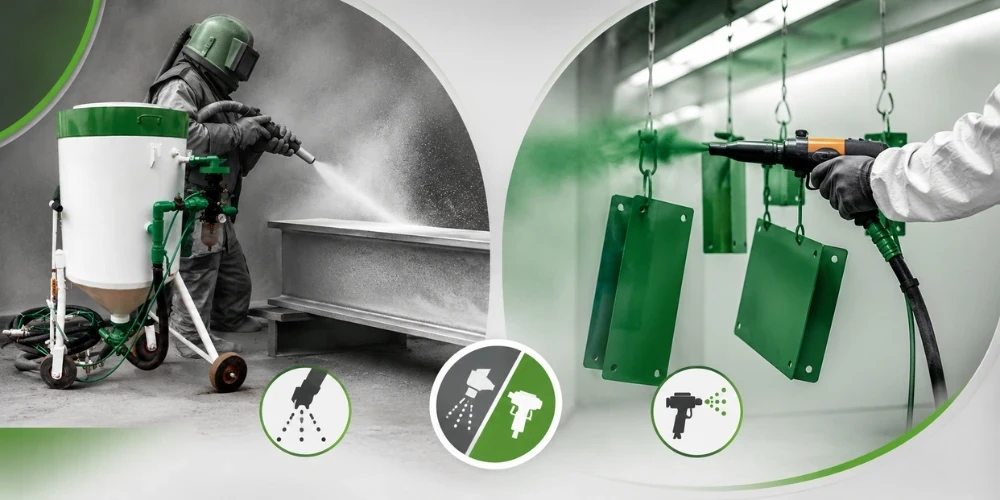
Service planning begins with understanding base metal condition, contamination type, and required finish before choosing blasting method.
Lead trigger: accurate scope definitionBetter outcomes come from selecting the right abrasive media, pressure band, nozzle setup, and coverage sequence for each application.
Lead trigger: right process for right surfaceFor production-critical jobs, structured communication on schedule, consumables, and maintenance support improves operational confidence.
Lead trigger: low-downtime service deliverySpare Parts Services
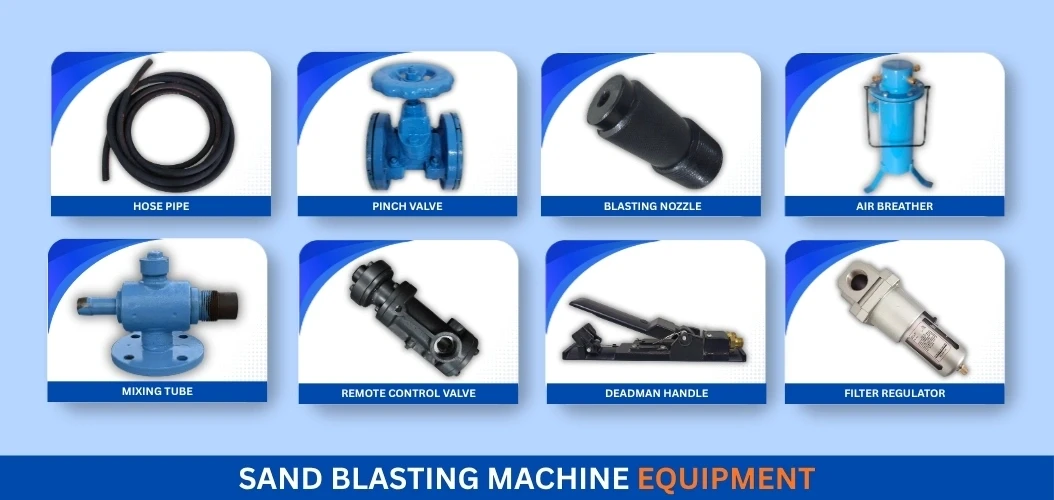
Industrial Sandblasting and Painting Spare Parts
Spare parts services keep sandblasting and painting rigs and spray systems running through outage windows and weather-variable weeks. We stock sand blasting nozzle inserts, sand blasting hose assemblies, holder gaskets, pot seals, and metering wear sized to your abrasive family, so pressure pots and mobile pods do not idle for mismatched consumables. Kits reference your nozzle series, hose diameter, and pump configuration, so sandblasting and painting services cost models include realistic spare turnover, not emergency freight on the last night of a shutdown.
Support extends to air-dryer maintenance on blast compressors, plural-component pump seals, spray tips, and filters that protect finish quality when humidity spikes between shifts. Optional reviews match orifice wear and hose condition to logged blast hours, so maintenance teams order before peak season. Bundles align with mobile sandblasting and painting layouts, quick-change couplings, spare deadman parts, and grounding supplies so field crews can restore production without crossing a plant gate for a single gasket.
- Nozzle and throat sets for garnet, steel grit, or slag programs
- Hose, coupling, and deadman spares for field and shop layouts
- Spray tips, filters, and pump wear for epoxy and urethane stacks
- Consumable packs scaled to declared weekly blast and coat hours
 Blast Cleaning Nozzle
Blast Cleaning Nozzle
Heavy-duty blast cleaning nozzle delivers concentrated abrasive force for efficient rust and coating removal, preparing metal surfaces perfectly for industrial painting.
 Abrasive Blast Hose
Abrasive Blast Hose
Reinforced abrasive blast hose supports continuous media transfer under pressure, ensuring stable sandblasting performance and reduced operational interruptions.
 Air Pressure Regulator
Air Pressure Regulator
Precision air pressure regulator maintains balanced airflow during blasting and painting operations, improving coating adhesion and surface finishing quality.
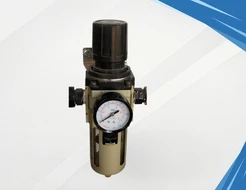 Moisture Separator Filter
Moisture Separator Filter
Efficient moisture separator filter removes water and oil contaminants from compressed air lines, preventing surface defects and ensuring smooth paint application.
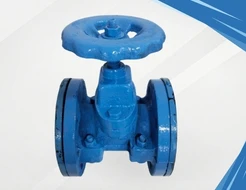 Abrasive Metering Valve
Abrasive Metering Valve
High-performance abrasive metering valve controls media flow accurately, reducing abrasive wastage while maintaining uniform blasting results on industrial surfaces.
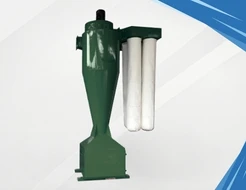 Dust Collector
Dust Collector
Heavy-duty dust collection unit captures airborne particles effectively, maintaining cleaner work environments and supporting safer blasting and painting operations.
 Safety Breathing Helmet
Safety Breathing Helmet
Protective safety breathing helmet supplies clean airflow to operators, ensuring comfort and reliable respiratory protection during abrasive blasting and painting work.
Maintenance Services
Maintenance Support That Protects Uptime
Sandblasting and Painting as a Coordinated Industrial Finish Program
Owners who need durable corrosion protection on steel, tanks, and structural assemblies rarely succeed when abrasive blasting machine operation and liquid coating are treated as unrelated chores. A disciplined sandblasting and painting sequence ties anchor profile, surface cleanliness, and primer chemistry to the same specification so inspectors see continuity from bare metal through topcoat, not a patchwork of excuses at the weld line.
Why the handoff between prep and paint matters
When sand blasting crews stop without a written profile target or dust limit, painters inherit metal that looks bright yet still carries embedded fines or soluble salts. Conversely, when paint teams prime before the substrate has cooled or dried to agreed limits, holidays and blister tracks appear months later. Integrated blasting and painting planning keeps one clock, one moisture log, and one turnover narrative your QA lead can defend.
Defining Blasting Painting Scope for Plant and Field Work
The phrase blasting painting should never be shorthand for “rough clean then whatever green paint is in stock.” A serious scope names abrasive or media type, visual or measured cleanliness class, profile range, stripe-coat rules for edges and bolts, primer system, intermediate build, topcoat, DFT maps, and environmental cutoffs. Structural steel near the coast, chemical plants with splash zones, and bridge touch-ups each demand different film stacks, even when the blast step looks similar on paper.
Substrates, alloys, and masking discipline
Carbon steel dominates industrial campaigns, but duplex systems over galvanized steel, high-build epoxies on tank floors, and urethane finishes on handrails each change how aggressively you blast and how soon you seal. Machined surfaces, threads, and grounding pads need explicit masking before the first sand blasting nozzle opens, so industrial blasting and painting crews do not chase rework through the paint shop.
Industrial Blasting and Painting for Outages, New Steel, and Maintenance
Shutdown windows compress everything into parallel trades: scaffolding, insulation removal, blasting, priming, and sometimes fire-watch on adjacent hot work. Industrial blasting and painting contractors who thrive in that environment publish shift plans with square-meter targets, agreed pause triggers for wind or dew point, and photos of difficult corners inside stiffeners, behind clips, and at ladder landings before inspectors climb lifts.
Specification alignment with coating vendors
Your paint supplier’s data sheet is not optional reading; it defines maximum recoat intervals, minimum and maximum dry film thickness, and compatible thinners. Blasting parameters must leave a texture that primer can wet without leaving peaks unsealed. When those two documents disagree with site reality, engineering judgment and documented mockups resolve the gap before full production.
Mobile Sandblasting and Painting for Tanks, Piping, and Remote Assets
Not every job ships to a fixed booth. Mobile sandblasting and painting bring containment, air compressors, dehumidification, and plural-component pumps to tank farms, pipe racks, and remote valve stations. Success depends on logistics: water for dust control, drum manifests for abrasive, grounded blast hoses, breathing-air quality, and a clear plan for how long bare steel may sit before the first primer pass follows the blast hose.
Containment and community optics on live sites
Mobile crews work beside operating units, roads, and sometimes occupied buildings. Curtains, negative air where required, shift-end housekeeping photos, and disciplined barricades protect neighbors and your permit. Painting in the same mobilization reduces double-handling of scaffolding and limits how often crews disturb tape lines between blast and coat.
What Sandblasting and Painting Services should be included in a quote?
Transparent sandblasting and painting services proposals separate mobilization, labor shifts, abrasive tons, disposal, equipment rental, dehumidification, stripe coating labor, and paint gallons, not a single lump sum that hides weather standby. Ask for production assumptions tied to accessible area, height class, and whether owners supply power, water, cranes, or lighting. Identical line items make vendor comparison honest.
Inspection artefacts that survive audits
Expect retained blast coupons or profile logs, wet-film thickness checks during application, dry-film maps at turnover, and holiday detection on critical welds. If your customer requires adhesion testing or low-VOC documentation, state frequency and acceptance criteria up front so crews do not improvise under pressure on the last night of the outage.
Moisture, dew point, and the bare-metal clock
Steel temperature, air dew point, and relative humidity govern when sand blasting machine operation may start and when priming must follow. Industrial teams log these readings at shift start and after weather changes. Ignoring the bare-metal clock is how flash rust becomes an argument instead of a measured rework task. Dehumidified hold zones or heated enclosures extend workable windows when monsoon humidity or winter nights threaten your primary window.
Lead paint, regulated debris, and waste profiling
Older plants and bridges may carry lead-based coatings or chromate primers. Sampling, worker protection tiers, manifesting, and landfill acceptance letters belong in the pre-job hazard review, not after drums pile up at the gate. Blasting and painting vendors should state who owns characterization, transportation, and disposal, so procurement does not discover latent costs mid-campaign.
Color, gloss, and field touch-up packages
Final appearance standards need reference panels and an agreed viewing distance under specified lighting. Field touch-up kits should match batch numbers and thinning instructions so repairs after mechanical damage do not drift in gloss or hue. Store part-specific repair notes beside the turnover binder so maintenance teams five years from now understand which stripe sequence was used at flange faces.
Safety culture beyond the checklist
Blasting demands deadman controls, daily hose inspections, and respiratory programs that fit the sand blasting hood or line air actually issued. Painting introduces solvent handling, grounded spray equipment, and confined-space rules inside tanks. Combined crews rehearse communication for pausing work when wind shifts send overspray toward roads or when instrument air alarms sound on adjacent units.
Commercial transparency
We stage sandblasting and painting with measurable prep, documented film build, and turnover packages your engineer can file beside as-built drawings.
Information that speeds your quote
Send substrate photos, coating type or data sheet, approximate blasted area, access method (scaffold versus rope), environmental sensitivities, and target primer system. We respond with a written method—blast class, profile target, paint stack, realistic production rates, and exclusions so your sandblasting and painting services scope is defensible to QA, safety, and finance before the first compressor starts.
Routine inspection guidance reduces unexpected stoppages and improves planning for blasting checks and consumable replacement.
Lower operating riskFast support for abrasive flow issues, nozzle wear, pressure drop, and uneven surface finish without long operational delays.
Quick service responseOperational guidance on setup, consumables, and usage patterns helps improve finish quality, coverage speed, and service efficiency.
More value from investmentRequest Sandblasting and Painting Services
Share photos, area estimates, access method, and target paint system. We reply with blast class, film build plan, and a realistic schedule for shop or mobile execution.
- Free technical consultation
- Customized quote with 30 minute response
- No spam, no obligation
- Direct from manufacturer pricing
- WhatsApp support available
- AMC and maintenance support available
Share a few details — our experts reply within 30 minutes with pricing and recommendations.
100% secure. We never share your information.
Why this service page exists
Maintenance heads, project teams, and fabrication buyers usually evaluate service capability before finalizing vendor discussions. This page is designed to present sand blasting service strength with clearer process, support depth, and execution confidence.
This section is designed as an enterprise value presentation to improve trust, clarify service capability, and support faster technical-commercial decisions.
Service scope, surface requirement mapping, and process planning aligned to target finish and production constraints.
Built for practical executionStructured method selection and consumable guidance support uniform cleaning profile and coating-ready surfaces.
Stronger outcome reliabilityBetter coordination for manpower, consumables, machine readiness, and service schedule to reduce project delays.
Lower onsite frictionAfter-service continuity through spare support, troubleshooting access, and preventive guidance that keeps operations stable.
Supports long-term service value