
Washer-powered wet abrasive prep
Pressure Washing Sandblasting Service
kits, attachments, and field programs that match your GPMWe align pressure washer sandblasting kits and wet abrasive attachments to real flow rates, media, and safety limits so you gain stripping power without guessing whether your pump, nozzle, or disposal plan can keep up.
Core Service Section
Pressure Washing Sandblasting
Core services for pressure washing sandblasting help you deploy the right pressure washer sandblasting kit, tune a sand blaster for a pressure washer platform, or run a managed power washer sandblaster crew when the job outgrows DIY limits. We start with your washer curve GPM, PSI, hose size, and pump style, then match venturi heads, media, and stand-off rules to steel, masonry, equipment, and localized industrial touch-ups. Each scope states appearance targets, dust or slurry controls, and whether coating will follow, so prep does not stop at “looks clean.”
Sand Blast with Pressure Washer
Our team delivers method-led programs: test patches on hidden zones, write boundaries for thin sheet and live plant adjacency, and shift logs for media type and area completed. For buyers comparing the best pressure washer sandblasting kit, we explain what professional throughput requires versus property maintenance kits, and when to step up to compressor-fed blasting. When you need to sand blast with pressure washer equipment under permit or neighbor scrutiny, you receive one accountable plan mobilization, PPE, disposal assumptions, and handoff notes instead of improvised field trials.
Core delivery also covers operator coaching on pump protection, grounding, and daily inspection of wear parts so production stays stable through multi-day campaigns. Whether you purchase hardware only or hire integrated prep support, documentation ties kit serials to recommended sand blasting nozzles and throat spares for your declared weekly hours.
- Kit selection and commissioning against your washer specifications
- Managed wet abrasive campaigns with containment and runoff planning
- Test patches, appearance standards, and coating handoff alignment
- Training for crews running pressure washer abrasive attachments safely
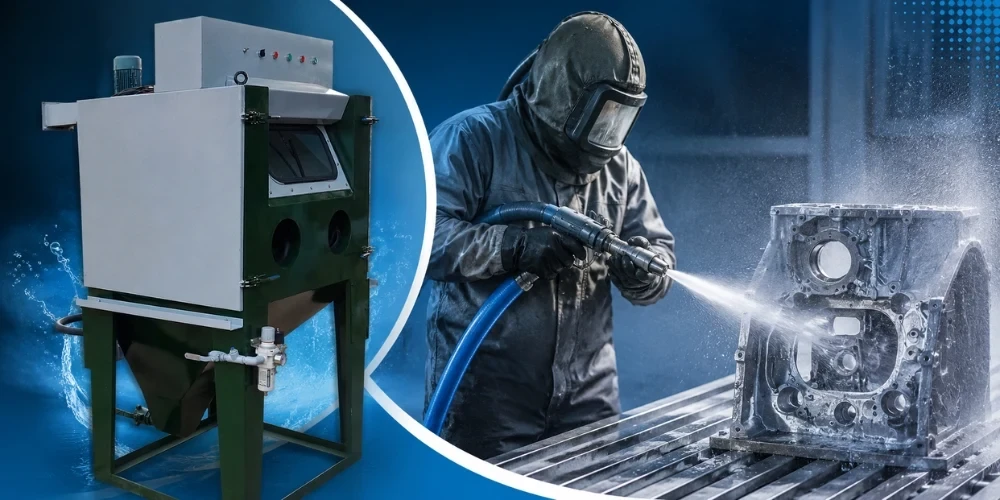
Service planning begins with understanding base metal condition, contamination type, and required finish before choosing blasting method.
Lead trigger: accurate scope definitionBetter outcomes come from selecting the right abrasive media, pressure band, nozzle setup, and coverage sequence for each application.
Lead trigger: right process for right surfaceFor production-critical jobs, structured communication on schedule, consumables, and maintenance support improves operational confidence.
Lead trigger: low-downtime service deliverySpare Parts Services
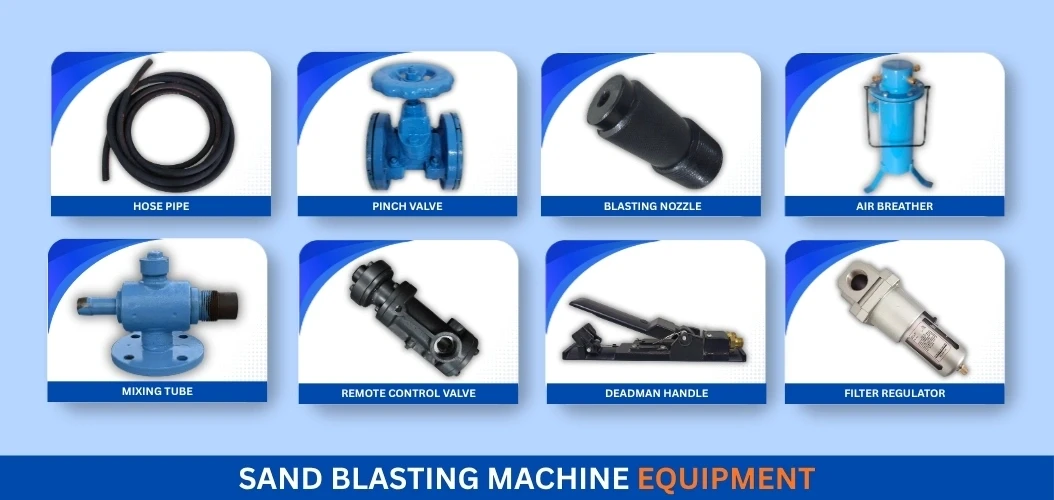
Pressure Washing Sandblasting Kit Service
Spare parts services keep pressure washing sandblasting kits, and pressure washer sand blasting attachment lines running when a worn throat insert would otherwise idle a crew. We stock venturi sand blasting nozzles, ceramic mixing tubes, pickup sand blasting hoses, check valves, wand extensions, and quick couplings sized to your head family, so a sand blaster for pressure washer setup does not stall for a mismatched part. Kits reference your model tag and GPM class, so stores teams order the revision that actually fits your power washer sandblaster, not a generic photo from an unrelated listing.
Support includes recommended on-hand quantities for shutdown windows, honest lead times on long-cycle pump seals, and guidance on media storage that prevents clogs in humid yards. We track orifice wear against logged hours and flag when a best pressure washer sandblasting kit should carry a second sand blasting nozzle set before peak season. Training covers winterizing attachments, flushing after abrasive shifts, and spotting surge symptoms that damage pumps when check valves age out.
Optional service bundles pair scheduled inspections with consumable forecasts, crushed glass, abrasive garnet sand, or glass bead consumption tied to square-metre targets so finance sees spares and media in the same plan. Field packs for contractors who sand blast with pressure washer gear across multiple sites include grounding leads, spare deadman-compatible triggers where applicable, and labeled bins so crews restore production without crossing town for one gasket.
- Venturi nozzles, throats, and mixing wear matched to your kit series
- Sand blasting hose, pickup tube, and coupling spares for field and yard layouts
- Pump protection valves, seals, and filters per manufacturer guidance
- Consumable packs scaled to declared weekly wet abrasive hours
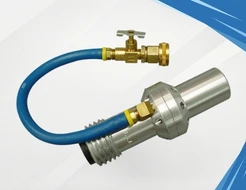 Wet Blast Nozzle
Wet Blast Nozzle
High-efficiency wet blast nozzle combines water and abrasive flow for effective surface cleaning, reducing dust formation and improving blasting performance outdoors.
 Blasting Hose
Blasting Hose
Reinforced pressure washer hose handles high water pressure smoothly, ensuring reliable abrasive delivery and uninterrupted sandblasting cleaning operations.
 Sand Injection Probe
Sand Injection Probe
Durable sand injection probe mixes abrasive media with water accurately, supporting consistent blasting action for paint, rust, and coating removal tasks.
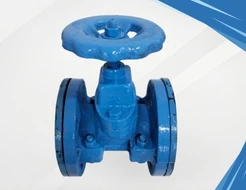 Water Control Valve
Water Control Valve
Precision water control valve regulates flow balance efficiently, helping maintain steady blasting pressure and reducing excessive water consumption during operation.
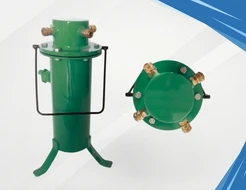 Inline Filter Assembly
Inline Filter Assembly
An advanced inline filter assembly removes debris and contaminants from water supply lines, protecting blasting equipment and supporting long-term machine reliability.
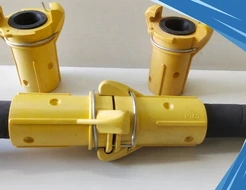 Quick Coupling Connector
Quick Coupling Connector
Corrosion-resistant quick coupling connector enables secure hose attachment and faster equipment setup, improving efficiency in industrial cleaning applications.
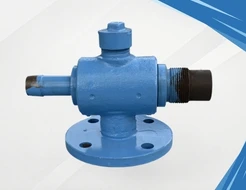 Mixing Tube
Mixing Tube
High-strength mixing tube blends water, compressed air, and abrasive media efficiently, ensuring smooth sandblasting performance, reduced clogging, and uniform surface cleaning results.
Maintenance Services
Maintenance Support That Protects Uptime
Pressure Washing Sandblasting when your Washer Needs Real Abrasive Power
Owners researching pressure washing sandblasting are usually trying to bridge two worlds: the convenience of a sand blasting machine they already own, and the cutting action only entrained grit can deliver. A standard high-pressure rinse removes loose dirt and chalky paint; it does not reliably strip tight industrial coatings or leave the anchor profile that many primers expect. The honest answer is that pressure washing sandblasting work when the kit, flow rate, nozzle, and media are matched to the substrate and when safety, dust, and runoff are planned before the first pass, not debated after neighbors call.
What a pressure washer sandblasting kit actually includes
A complete pressure washer sandblasting kit typically combines a venturi or sand blasting hopper head, abrasive pickup tube, compatible wand extensions, and sometimes a dedicated nozzle series rated for wet abrasive duty. Quality kits specify minimum gallons-per-minute and pressure bands so you do not starve the venturi on an undersized electric washer. Cheap adapters that “fit any gun” often clog, waste media, and rust because the pressure curve never stabilizes. Before purchase, confirm hose diameter, quick-connect type, and whether your pump can sustain flow while drawing grit, not just peak PSI on a sticker.
Sand Blaster for Pressure Washer Setups: Capability and Limits
A sand blaster for pressure washer is best understood as a field tool for controlled areas: farm equipment touch-ups, graffiti on masonry, fence posts, small fabrications, and maintenance stripping where mobilizing a compressor pot is uneconomical. It is not a replacement for a reclaim booth on structural steel with tight cleanliness classes. Thin automotive sheet, live electrical gear, and occupied storefronts need written boundaries maximum stand-off, daily area caps, and PPE that treats ricochet and injection risk seriously. Test patches on hidden zones beat marketing photos every time.
Power Washer Sandblaster Performance Drivers
When buyers compare a power washer sandblaster, they should rank sustained flow over headline PSI. Gas units in the 3,000–4,000 PSI class with adequate GPM often outperform high PSI electric machines that cannot keep the venturi fed. Media choice changes everything: crushed glass, abrasive garnet sand, or glass beads behaves differently in a wet stream than playground sand, which may carry silica exposure and inconsistent particle shape. We help teams document which media your head tolerates, how fast orifices wear, and what disposal path applies once slurry leaves the pad.
Choosing the Best Pressure Washer Sandblasting Kit
The best pressure washer sandblasting kit for a contractor differs from the best kit for a weekend property owner. Professionals need quick-change nozzles, spare venturi inserts, grounding discipline, and predictable media consumption per square metre. Homeowners need clear assembly instructions, eye and lung protection, and realistic expectations on rust versus cosmetic cleaning. Look for kits with published GPM minimums, stainless or hardened wear paths, and supplier support for replacement throats—otherwise downtime on a Sunday job becomes a freight story.
How to Sand Blast with a Pressure Washer
To sand blast with pressure washer equipment safely, start with perimeter checks: protect windows, vehicles, and storm drains; barricade the work zone; and never point the lance at people or glass. Keep the lance moving to avoid gouging; on steel, watch for heat tint or warping on thin panels. After stripping, blow-off, and dry-down, whether you plan to prime the same day, trapped moisture under epoxy is a warranty killer. Log media type, pressure, and approximate area so the next operator can reproduce results instead of guessing.
Pressure Washer Sand Blasting Attachment Types and Wet Abrasive Discipline
Attachments range from simple siphon pots clamped to a wand to integrated wet heads with ceramic mixing tubes. A pressure washer sand blasting attachment should be inspected before each shift: cracked sand blasting hoses, worn couplings, and clogged pick-up lines cause surge pressure that damages pumps. Wet abrasive work still produces fines, plan tarps, vacuum assist, or downwind courtesy for neighbors. If your specification references profile or salt limits, agree on how verification happens; many kit jobs are visual-only, and that should be stated up front.
Wet Sandblasting with Pressure Washer Versus Dry Pot Blasting
Wet sandblasting with pressure washer gear trades lower airborne dust for slurry management. That suits some facades, pools, and exterior steel where dust complaints dominate. It does not automatically mean “green” disposal—paint chips may still be regulated. When projects outgrow kit throughput, stepping up to compressor-fed pots or booth work often lowers total cost per square metre and improves repeatability. We tell clients where the crossover point likely sits for their asset class so capital spend lands on the right tier.
Applications Where Pressure Washer Abrasive Blasting Earns Its Place
Maintenance teams use pressure washer abrasive blasting machine on loading docks, tank skirts, marine fittings in yard conditions, and industrial stairs between outages. Restoration contractors pair kits with containment tents on localized masonry. Fabricators deburr or clean weld zones on fixtures too large for a cabinet but too small for a full booth rental. In each case, success depends on agreeing on appearance standards, bright metal versus commercially clean, and whether the coating will follow within the primer window your supplier allows.
Safety, PPE, and pump protection
Wet abrasive work combines slip hazards, eye injury from ricochet, and respiratory risk from fine dust that forms. Use impact-rated eyewear, gloves, boots with grip, and respiratory protection matched to the task, not a dust mask rated for sweeping. Install check valves and follow manufacturer guidance so abrasive does not back-feed into the pump head. After jobs, flush lines, inspect seals, and store media dry. Crews should rehearse injection injury response; high-pressure fluid injuries are medical emergencies even when the stream looks narrow.
When to Call a Professional Pressure Washing Sandblasting Partner
Call experienced support when substrates are unknown alloys, lead paint is possible, jobs are elevated on scaffolding, or inspectors require a documented profile. We supply kits, train operators, and mobilize crews for larger campaigns with method statements, media manifests, and coating handoff notes. Procurement should compare line items for abrasive media, water, disposal, labor, and standby, not a single lump sum that hides weather delays.
Information that speeds your quote
Send photos, substrate type, coating to remove, approximate area, washer model with GPM/PSI, access constraints, and environmental sensitivities. We respond with kit class recommendations, realistic production assumptions, PPE notes, and exclusions so your pressure washing sandblasting scope is defensible to safety, and QA before work starts.
Routine inspection guidance reduces unexpected stoppages and improves planning for blasting checks and consumable replacement.
Lower operating riskFast support for abrasive flow issues, nozzle wear, pressure drop, and uneven surface finish without long operational delays.
Quick service responseOperational guidance on setup, consumables, and usage patterns helps improve finish quality, coverage speed, and service efficiency.
More value from investmentRequest Pressure Washing Sandblasting Support
Share washer specs, photos, substrate, and area. We reply with kit class, media notes, PPE guidance, and a realistic method for shop or site execution.
- Free technical consultation
- Customized quote with 30 minute response
- No spam, no obligation
- Direct from manufacturer pricing
- WhatsApp support available
- AMC and maintenance support available
Share a few details — our experts reply within 30 minutes with pricing and recommendations.
100% secure. We never share your information.
Why this service page exists
Maintenance heads, project teams, and fabrication buyers usually evaluate service capability before finalizing vendor discussions. This page is designed to present sand blasting service strength with clearer process, support depth, and execution confidence.
This section is designed as an enterprise value presentation to improve trust, clarify service capability, and support faster technical-commercial decisions.
Service scope, surface requirement mapping, and process planning aligned to target finish and production constraints.
Built for practical executionStructured method selection and consumable guidance support uniform cleaning profile and coating-ready surfaces.
Stronger outcome reliabilityBetter coordination for manpower, consumables, machine readiness, and service schedule to reduce project delays.
Lower onsite frictionAfter-service continuity through spare support, troubleshooting access, and preventive guidance that keeps operations stable.
Supports long-term service value