
Portable Sand Blasting Machine
Mobile Sandblasting Service
that travels to your steel, tanks, and structuresWhen assets cannot move, we mobilize the process: compressors, pots, hoses, and experienced blasters aligned to your safety culture, coating spec, and production calendar.
Core Service Section
Mobile Sandblasting Services
Our portable blasting services or mobile sandblasting services support a wide range of industrial maintenance and surface preparation requirements, including steel renewal projects for structural fabrication, piping systems, tanks, pressure vessels, and heavy plate work. We also handle coating removal operations before metallizing, thermal spray preparation, or application of high-build industrial coating systems, where proper surface profile and cleanliness are critical for coating performance.
When evaluating a regional portable sand blasting machine, industries should look beyond basic pricing and equipment availability. A professional blasting partner must provide clear planning for staging logistics, abrasive containment, media recovery, compressed air management, and daily site restoration procedures. Without defined operational responsibility, projects can experience unnecessary delays, contamination risks, inconsistent blasting quality, and avoidable downtime during critical maintenance schedules.
Our field blasting approach is built around transparency, controlled execution, and predictable daily progress. Before mobilization begins, we document equipment positioning, sand blasting hose routing layouts, ventilation direction, compressed air distribution, abrasive handling procedures, and waste collection methods to ensure efficient site coordination. This planning process allows plant teams, shutdown managers, and contractors to clearly understand operational boundaries, production targets, and end-of-shift cleanup expectations before blasting activity starts.
Particular attention is given to air supply reliability and abrasive recovery management because both directly influence blasting consistency and operational productivity. We coordinate compressor support requirements, moisture-control systems, sand blasting hose lengths, sand blasting nozzle performance, and recovery arrangements to maintain stable abrasive media flow throughout the working shift. By reducing pressure fluctuations and improving media handling control, we help maintain dependable blasting output under demanding field conditions.
For shutdown and turnaround environments where every production hour matters, our blasting operations are planned to minimize interruptions and maintain continuous workflow efficiency. Clear staging coordination, structured cleanup procedures, and disciplined operational management help improve site productivity while supporting safer and more organized blasting execution throughout the project duration.
- Steel renewal for structural, piping, and plate work
- Coating stripping ahead of metallizing or high-build paint
- Shutdown windows where every hour of blast productivity counts
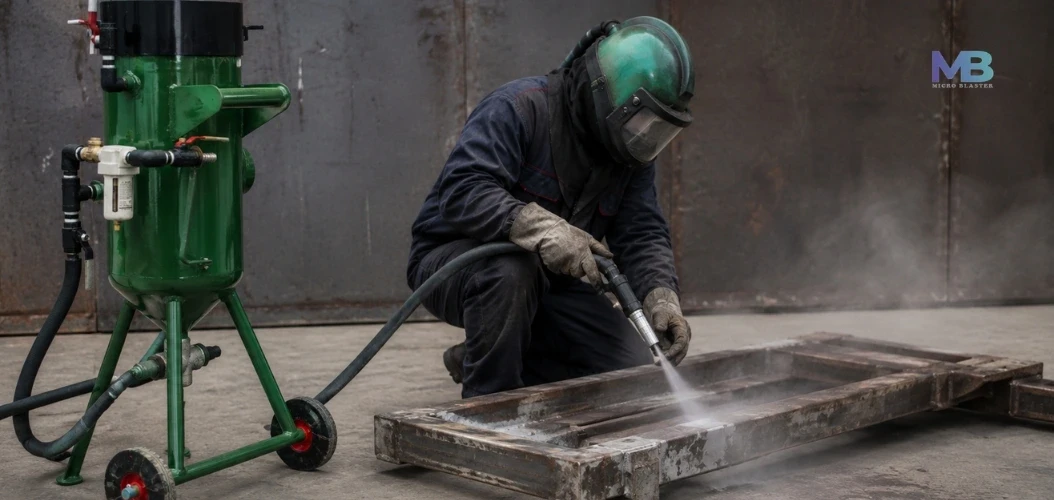
Service planning begins with understanding base metal condition, contamination type, and required finish before choosing blasting method.
Lead trigger: accurate scope definitionBetter outcomes come from selecting the right abrasive media, pressure band, nozzle setup, and coverage sequence for each application.
Lead trigger: right process for right surfaceFor production-critical jobs, structured communication on schedule, consumables, and maintenance support improves operational confidence.
Lead trigger: low-downtime service deliverySpare Parts Services
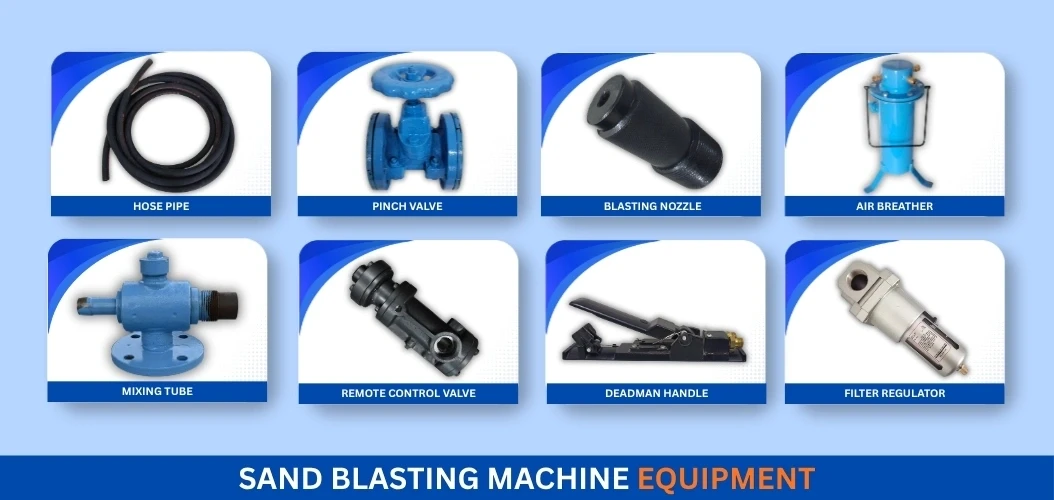
Mobile SandBlasting Spare Parts
For projects mobilized after an unplanned shutdown or emergency outage, our priority is establishing a controlled and safe sand blasting machine operation environment before full production activity begins. We implement structured isolation procedures, verify safe access zones, monitor ventilation conditions, and maintain strict breathable air management to support operator safety during unstable plant conditions. Initial blasting rates are intentionally controlled to evaluate equipment response, surface conditions, and operational risks before scaling production activity.
For extended mobile sand blasting campaigns, we develop forward-planning schedules covering abrasive media replenishment, air compressor support, spare wear-part availability, sand blasting nozzle replacement cycles, and weekend manpower coordination to prevent unnecessary interruptions. This proactive planning approach helps maintain realistic production timelines, stable blasting performance, and smoother project execution across long-duration maintenance or turnaround operations. By combining disciplined operational control with practical resource planning, we help industrial teams maintain dependable progress while reducing uncertainty during high-pressure maintenance environments.
 Blasting Nozzle
Blasting Nozzle
Compact portable blast nozzle delivers concentrated abrasive force for efficient surface preparation, ensuring faster cleaning and dependable performance in mobile operations.
 Reinforced Sandblast Hose
Reinforced Sandblast Hose
Flexible reinforced sandblast hose handles continuous abrasive flow under high pressure, reducing leakage risks and supporting smooth mobile blasting performance.
 Mobile Abrasive Tank
Mobile Abrasive Tank
Heavy-duty mobile abrasive tank stores blasting media securely while allowing easy transportation, improving operational convenience and uninterrupted field performance.
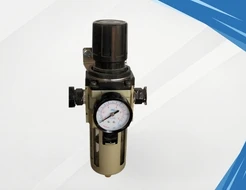 Air Control Regulator
Air Control Regulator
Reliable air control regulator maintains balanced pressure output, helping operators achieve precise blasting results while protecting mobile equipment from overload damage.
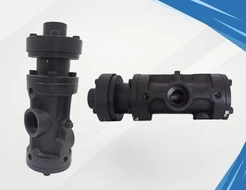 Pneumatic Remote Control
Pneumatic Remote Control
An advanced pneumatic remote control system enables quick start and stop functions, improving operator safety and providing better control during blasting activities.
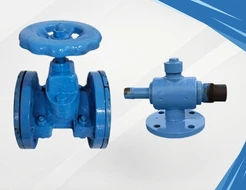 Abrasive Flow Valve
Abrasive Flow Valve
Precision abrasive flow valve regulates media discharge efficiently, reducing material wastage and ensuring consistent cleaning quality across different metal surfaces.
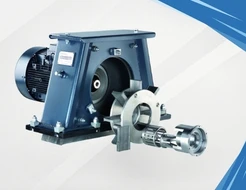 Wheel Assembly Kit
Wheel Assembly Kit
Durable wheel assembly kit supports easy movement of mobile sandblasting equipment across industrial sites, enhancing portability and operational flexibility.
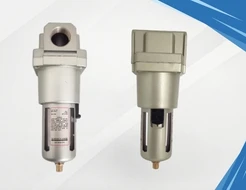 Moisture Trap Filter
Moisture Trap Filter
High-efficiency moisture trap filter removes water particles from compressed air lines, preventing abrasive clogging and maintaining stable blasting performance.
Maintenance Services
Maintenance Support That Protects Uptime
Mobile Sandblasting Built for Real Job Sites
Mobile sandblasting brings controlled abrasive cleaning to tanks, bridges, ship blocks, and plant aisles where moving the asset is impossible or uneconomical. Instead of debating how to truck a forty-foot beam to a sand blasting room, crews mobilize compressors, blast pots, hoses, and recovery thinking to your fence line. The goal stays consistent: remove failing coatings, corrosion, and contamination while holding profile and cleanliness targets your paint or metallizing vendor can sign off on.
Why Search Intent Starts with Mobile Sandblasting
When a maintenance lead types mobile sandblasting, they are usually balancing three clocks: production, weather, and permit noise. Proximity matters because mobilization hours are billable, and local crews understand which yards allow overnight venting and which neighborhoods need extra shrouding. Distance is only one filter, though. Compare how each bidder stages hoses to avoid pinch valves, how they protect instrumentation cable trays, and whether they carry redundant nozzles so a single wear event does not idle a full shift.
Mobile Blasting Versus Fixed-shop Tradeoffs
People also look for mobile blasting when they already have workshop capacity, but cannot fit the workpiece through the door. Mobile work introduces variables such as ground moisture, wind gusts, and shared crane hooks that a climate-controlled booth smooths away. A disciplined field plan converts those variables into checklists: grounding straps for static, windbreaks for rebound, and shift handovers that photograph anchor patterns before rain arrives. Ask vendors to narrate a recent outdoor job similar to yours, not a generic capabilities PDF.
Portable sandblasting
Construction teams hunting portable sandblasting often coordinate with steel erectors, painters, and scaffolding trades on the same lift ticket. Portable rigs can mean tow-behind pots paired with diesel compressors, or lighter skid packages for touch-up zones. The phrase overlaps with rental houses, but a full mobile sandblasting service layer adds trained blasters, media handling experience, and documented PPE programs. Clarify whether your scope includes containment design, or if your GC already owns that package, so quotes stay apples-to-apples.
Mobile Sandblasting Services and Scope Clarity
Queries for mobile sandblasting services spike before shutdowns and coating holidays. Services should spell out what “turnkey” means: who supplies breathing-air bottles, who moves spent abrasive off the pad, and who verifies visibly clean corners at handrails. If multiple subcontractors share a laydown area, sequencing beats raw sand blasting nozzle time. Strong proposals include a line for daily production targets tied to accessible surface square meters—not vague “best effort” language.
Portable Sandblasting Favors
Owners comparing portable sandblasting services should ask how operators capture fines near storm drains and how they label drums for disposal versus recycling. Some sites mandate non-silica media or additional monitoring; your vendor should translate those constraints into equipment choices without improvising on day two. When specifications mention recycling, confirm whether the crew carries segregated totes so different media batches never cross-contaminate.
Portable Sandblasting Services for Urban
Urban facilities searching portable sandblasting services may face tighter sound limits and neighbor sightlines. That pushes crews toward softer schedules, curtain walls, and vacuum-assist options where feasible. Logistics also include elevator weight limits for compressors, basement vent paths, and night-only windows that still need adequate lighting for safety. A serious walkthrough before the award prevents discovering on mobilization day that the only compressor path crosses a live data hall.
Mobile Blasting Services for Industrial Scale
Mobile blasting services on industrial sites often run parallel to insulation removal and fireproofing repairs. Supervisors should align break schedules, hot-work permits, and nitrogen purges where tanks previously held volatiles. Communication tools—shared photo channels, marked-up P&IDs, and agreed pause words matter as much as compressor horsepower. If your plant tracks near-misses, invite the field lead to your safety moment so expectations on harness anchor points and blast hood fit testing are mutual.
Sandblasting Mobile Services
Teams describing sandblasting mobile services frequently tie back to primer readiness. Bare steel clocks start the moment dust lifts; humidity swings can flash rust within hours. Mobile crews should state how they stage dryers on airlines, how they bag overnight openings, and how they coordinate with your painting contractor for same-shift handoffs. If you cannot prime immediately, agree on holdback standards and re-blast touch rules so arguments do not appear at final QC.
Equipment pairing, media choice, and productivity math
Nozzle selection, pot size, and compressor CFM interact nonlinearly. Oversized nozzles on undersized air starve the stream and wear tips faster; undersized setups stretch calendars. Media hardness should track substrate not every “mobile” job belongs on angular grit. Sponge, abrasive garnet sand, coal slag, steel grit, and recyclable mineral each carry different rebound and dust signatures. Document trials on sacrificial coupons when owners worry about profile peaks on thin sheet.
Site access, lifting, and third-party interfaces
Rigging plans, forklift slots, and road weight limits decide whether you split a large pot across two lifts or bring a tandem trailer. Rail sidings, marine barges, and refinery gates each have credentialing delays; bake those hours into the schedule, not footnotes. Interface with electrical teams when temporary power runs cross-blast zones, and with security when badges expire mid-job.
Quality verification without slowing the crew
Profile gauges, soluble-salt tests, and photos of difficult corners should slot into natural shift breaks. If a spec calls for SSPC or ISO-style documentation, agree on who signs daily inspection sheets. Digital logs beat paper blowing across a windy dock, but phones need intrinsically safe cases in classified zones decide before work starts.
Commercial honesty in quotes and change orders
Transparent line items for mobilization, demobilization, standby weather, and media tonnage reduce disputes. If the owner supplies power or water, say so. If crane time is owner-furnished, say that too. Change orders should reference the baseline drawing revision so scope creep stays traceable.
Delicate castings, tiny batch parts, or repeatable automotive panels sometimes belong in a cabinet or tumble blast environment where media flow is gentler and more uniform. Credible vendors will tell you “no” when field mobilization risks warping or embedding steel grit in machined bores. That honesty saves more money than a forced match to buzzwords.
How to brief us for a faster proposal
Send substrate type, coating system target, approximate area, photos of access routes, and any environmental constraints. Note whether you need mobile sandblasting services on a single weekend blitz or a multi-week campaign. We respond with media recommendations, containment outline, production assumptions, and a commercial structure that separates labor, equipment, media, and disposal so you can benchmark responsibly.
Closing the loop with safety and community trust
Neighbors, plant operators, and downstream painters all judge mobile sandblasting by dust behavior and communication, not brochure adjectives. Mature crews over-invest in barricade signage, proactive community notices where required, and end-of-shift cleanup photos. That discipline is why repeat clients stop typing random keywords and start calling the same team whenever corrosion returns.
Routine inspection guidance reduces unexpected stoppages and improves planning for blasting checks and consumable replacement.
Lower operating riskFast support for abrasive flow issues, nozzle wear, pressure drop, and uneven surface finish without long operational delays.
Quick service responseOperational guidance on setup, consumables, and usage patterns helps improve finish quality, coverage speed, and service efficiency.
More value from investmentPlan Your Mobile Sandblasting Service Visit
Share site photos, access limits, and coating data sheets. We return a written mobilization plan with media choice, containment notes, and realistic shift targets.
- Free technical consultation
- Customized quote with 30 minute response
- No spam, no obligation
- Direct from manufacturer pricing
- WhatsApp support available
- AMC and maintenance support available
Share a few details — our experts reply within 30 minutes with pricing and recommendations.
100% secure. We never share your information.
Why this service page exists
Maintenance heads, project teams, and fabrication buyers usually evaluate service capability before finalizing vendor discussions. This page is designed to present sand blasting service strength with clearer process, support depth, and execution confidence.
This section is designed as an enterprise value presentation to improve trust, clarify service capability, and support faster technical-commercial decisions.
Service scope, surface requirement mapping, and process planning aligned to target finish and production constraints.
Built for practical executionStructured method selection and consumable guidance support uniform cleaning profile and coating-ready surfaces.
Stronger outcome reliabilityBetter coordination for manpower, consumables, machine readiness, and service schedule to reduce project delays.
Lower onsite frictionAfter-service continuity through spare support, troubleshooting access, and preventive guidance that keeps operations stable.
Supports long-term service valueCommon questions
What is mobile sandblasting best suited for?
Mobile sandblasting suits installed steel, tanks, bridges, ship sections, and large weldments that cannot travel to a fixed booth. Crews bring pots, compressors, and hoses to remove corrosion and coatings where the asset stands, then stage cleanup and profile checks to match your paint system.
How do portable sandblasting services differ from workshop blasting?
Workshop booths control climate, lighting, and rebound more tightly. Field work adds wind, ground conditions, and shared crane time. Portable jobs therefore rely heavier on containment planning, shift communication, and conservative production rates until conditions are proven stable.
What site utilities and access do mobile crews need?
Typical needs include flat ground or engineered matting for compressors, verified electrical supply if electric compressors are used, diesel refueling rules for engine-driven units, and agreed paths for hose runs that avoid live cables or traffic. Photos of gate widths and ramp grades prevent mobilization surprises.
Can you mobilize for shutdowns, nights, or weekends?
Yes, when permitted by your site and local noise rules. We sequence shifts to match your outage window, pre-stage wear parts, and align handovers to priming crews. Weekend premiums or holiday rules are called out clearly in the commercial schedule.
How is spent abrasive and job-site debris handled?
Disposal or recycling follows your specification and local regulations. We segregate media types, label drums, and avoid cross-contamination between batches. If you require vacuum recovery or lined containment, note it during technical review so equipment lists stay accurate.
How fast can you respond to an emergency call-out?
Response depends on crew proximity, equipment readiness, and your induction timeline. Share photos, hazard class, and required PPE so we can propose a safe go/no-go plan. Rush jobs still require baseline safety checks—we will not skip isolation steps on volatile tanks or live process lines.
What should we arrange with our EHS team before you arrive?
Pre-arrange permits to work, hot-work coordination, gas-free certificates where applicable, and badge processing. Provide MSDS or SDS for any residual chemicals inside vessels. If scaffolding or rope access is owner-furnished, confirm hand-off dates so blasters are not standing idle.
How do I compare mobile sandblasting quotes apples to apples?
Ask each vendor to separate mobilization, labor shifts, media tonnage, disposal, equipment rental, and standby weather rates. Confirm containment ownership, airline dryer responsibility, and who supplies breathing-air bottles. Identical line items make benchmark decisions honest and faster.