
Automotive surface prep
Car Sand Blasting
for restorers who need clean metal without ruined panelsWe match media, pressure, and access plans to automotive sheet and frames—so stripping old coatings and rust does not trade one problem for warped skins or hidden flash rust under fresh paint.
Core Service Section
Car Sand Blasting Service
Core services for car sand blasting deliver zoned abrasive preparation for restoration shells, clip jobs, chassis rails, floor pans, and selective sandblasting car body panels where mockups prove safe pressure on your gauge and sheet mix. We isolate fuel and electrical risk, document glass and trim boundaries, and run a graded sand blaster for car restoration programs, not one aggressive grit from firewall to roof skin without proof passes on hidden flanges first.
Project leads sequence inner-structure work before outer skins, where appropriate, log media, pressure, and sand blasting nozzle stand-off by zone, and align bare-metal clocks with your epoxy system. Whether you need booth time on a bare shell, sand blasting cabinet passes on control arms, or careful sandblasting under car campaigns on a rotisserie, you receive a written scope, areas, containment, and handoff steps so car sand blasting stays defensible to your painter. That is the practical core of the best way to sandblast a car: planned, staged, and reversible before the first aggressive pass.
- Shells, subframes, and selective outer-skin programs
- Thin-panel discipline with graded media per substrate
- Undercar access with documented cavity coverage
- Handoff notes for epoxy, surfacer, and block sanding
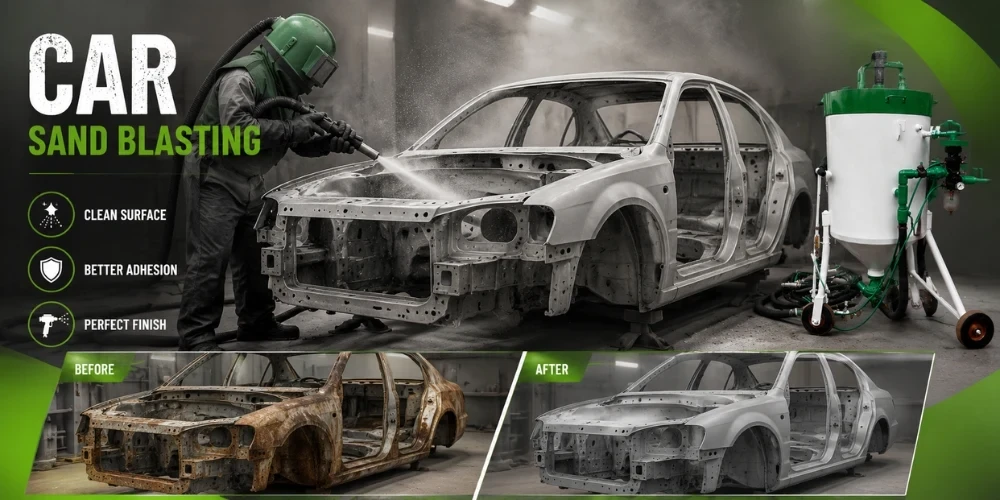
Service planning begins with understanding base metal condition, contamination type, and required finish before choosing blasting method.
Lead trigger: accurate scope definitionBetter outcomes come from selecting the right abrasive media, pressure band, nozzle setup, and coverage sequence for each application.
Lead trigger: right process for right surfaceFor production-critical jobs, structured communication on schedule, consumables, and maintenance support improves operational confidence.
Lead trigger: low-downtime service deliverySpare Parts Services
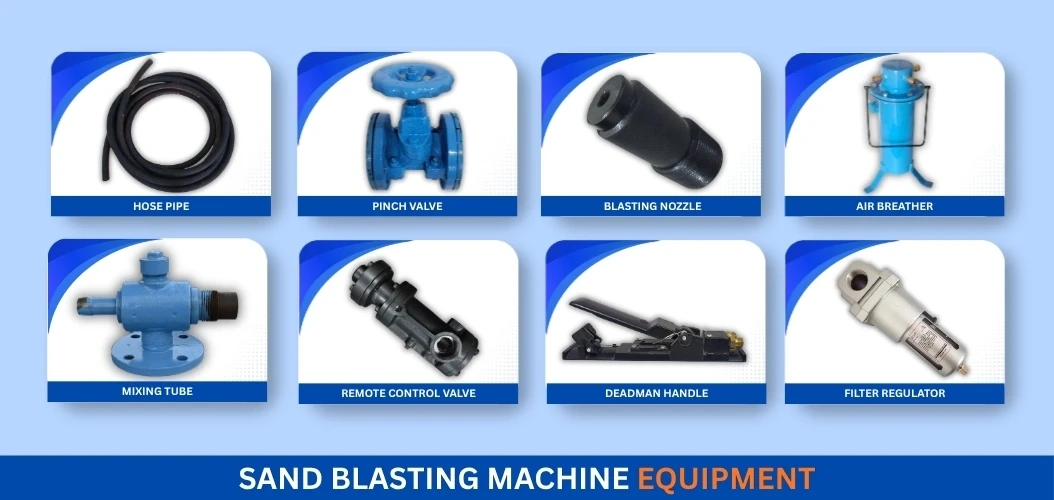
Car Sand Blaster Spare Parts
Spare parts services keep car sand blaster lines and restoration booths productive through multi-week shell jobs and mixed-media weeks. We stock nozzle inserts, lightweight hoses, sand blasting nozzle holder gaskets, and metering wear tuned to low-pressure fine media, so cabinets and pressure pots do not sit idle waiting for mismatched parts. Kits reference your pot model, nozzle series, and sand blasting hose diameter, so realistic car sandblasting cost forecasts include consumables, not emergency airfreight mid-restoration.
Support covers dryer maintenance on compressor outlets, pot seal intervals for plastic bead or crushed-glass programs, and training on clearing clogs without spiking pressure on thin panels. Optional check-ins track orifice wear against logged booth hours so shops spot trends before show season. Bundles align with fine-dust extraction common beside sandblasting car body finishing bays, and we can recommend starter spares when you are evaluating the best sandblaster for cars for your first dedicated automotive bay.
- Sand blasting nozzle sets for glass bead, plastic abrasive media, tungsten carbide grit, or garnet sand programs
- Sand blasting hose, sand blasting pipe coupling, and deadman handle spares sized to booth layout
- Cabinet gloves, windows, and lighting for hardware visibility
- Consumable packs scaled to declared weekly blast hours
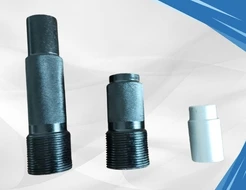 Blast Nozzle
Blast Nozzle
Precision car blast nozzle delivers focused abrasive pressure for efficient rust, paint, and coating removal while protecting delicate automotive metal surfaces.
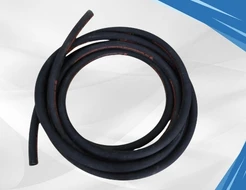 Abrasive Blasting Hose
Abrasive Blasting Hose
Flexible abrasive delivery hose supports smooth media transfer under pressure, ensuring reliable blasting performance during vehicle restoration and repair operations.
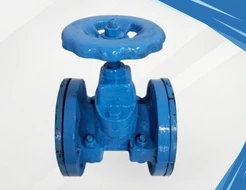 Air Pressure Valve
Air Pressure Valve
High-quality air pressure valve regulates airflow accurately, helping achieve controlled blasting results and preventing damage to automotive body components.
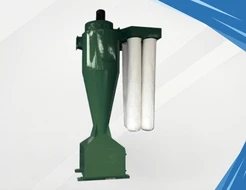 Dust Collector
Dust Collector
An efficient dust collection chamber captures airborne particles during blasting work, maintaining cleaner workspaces and improving visibility for automotive technicians.
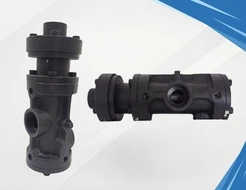 Media Flow Controller
Media Flow Controller
The advanced media flow controller adjusts abrasive discharge precisely, reducing material waste while ensuring uniform surface preparation on car body panels.
 Blast Cabinet Gloves
Blast Cabinet Gloves
Durable blast cabinet gloves provide superior hand protection and flexibility, allowing operators to perform detailed car sandblasting tasks comfortably and safely.
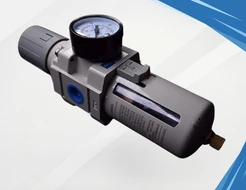 Moisture Removal Filter
Moisture Removal Filter
Reliable moisture removal filter eliminates water contamination from compressed air systems, preventing abrasive blockage and maintaining stable blasting efficiency.
Maintenance Services
Maintenance Support That Protects Uptime
Car Sand Blasting for Honest Restoration Outcomes
Classic and modern vehicle restorers often reach a fork in the road: chemical stripping, mechanical sanding, or abrasive blasting. Professional car sand blasting can strip decades of paint, filler, and surface rust quickly, but only when media, pressure, sand blasting nozzle stand-off, and heat management are chosen for thin automotive sheet, structural rails, and cast brackets. The goal is clean metal you can trust under new primer, not a wavy body that looked flat before the first pass.
Why Sandblasting Car Body Panels Demands Restraint
Outer skins, door skins, and roof panels absorb energy differently from frame rails. Aggressive angular grit at high pressure can peen surfaces, work-harden edges, and telegraph through high-build primers. Responsible sandblasting car body work starts with test patches on inner flanges or spare panels, then scales parameters so outer skins see gentler exposure than inner structure. If a shop refuses mockups, treat that as a warning sign regardless of how fast they promise turnaround.
Choosing the Best Sandblaster for Cars
Search results for the best sandblaster for cars, mix hobby cabinets, siphon guns, pressure pots, and dedicated reclaim booths. The “best” unit is the one matched to your space, compressor CFM, dust control, and the thickness of metal you blast most. A best sand blaster for cars in a home garage might be a small cabinet with glass beads for brackets only; a restoration shop may invest in a larger booth, soft media options, and moisture control on the air line. Capacity without discipline still warps panels.
When a Car Sand Blaster Setup is Appropriate
A purpose-tuned car sand blaster configuration pairs a stable pressure source, dry air, correctly sized sand blast hose, and nozzles that your operator can feather. Restoration bays add lighting, turntables or stands for subframes, and extraction so you can inspect bare metal without a dust plume hiding holidays. Whether you rent time in a booth or buy equipment, verify training on deadman controls and daily hose inspection, compressed-air incidents are unforgiving.
Sandblaster for Car Restoration
Many restorers who ask for a sandblaster for car restoration actually need crushed glass beads, plastic abrasive media, aluminum oxide, or garnet sand blends, not literal beach sand, which risks free silica exposure and inconsistent particle shape. Media selection ties to task: remove thick factory undercoat on a frame rail versus lift surface oxidation on a floor pan without exposing every factory weld burn-through. Your vendor should explain trade-offs in profile, speed, and dust signature.
Sandblasting Under the Car and Working on the Chassis Safely
Sandblasting under car areas, floor pans, torque boxes, inner rockers, and subframes often matters more than cosmetic outer panels because corrosion starts where salt and moisture hide. Access is tight; crews need rotation, low-profile nozzles, and patience at pinch welds. Fire risk from dust near fuel lines and heat shields means fuel system isolation, battery removal, and explicit hot-work rules. Document where blast reached, so later seam sealer and cavity wax cover every cleaned zone, not just what photographs well from the side.
Sandblast the Underside of the Car Campaigns and Coating Handoff
After you sandblast the underside of car assemblies, bare steel begins its clock immediately. Epoxy primers and chassis paints need clean, dry metal within the window your product data sheet allows. In humid climates, dehumidified bays or flash-rust inhibitors (only where compatible with your chosen primer) keep you from repainting over a fine orange film. Tie-in blasting on partial repairs should feather into sound surrounding paint so the new stack does not create a hard edge that lifts in service.
Car Sandblasting Cost Drivers Owners Should Understand
Car sandblasting cost rarely boils down to a universal per-hour rate. Estimators look at vehicle size, number of layers to strip, extent of rot-through, whether the car is a shell or complete with glass and trim removed, abrasive media disposal, sand blasting room time, and how much hand finishing will remain after blasting. A rotisserie-mounted shell with full interior and weatherstrip removed is a different job than spot-blasting a single quarter panel edge. Ask for line items so you can compare apples to apples between shops.
The Best Way to Sandblast a Car
The best way to sandblast a car begins before steel grits touches steel: strip trim, seal wiring harnesses, bag ECUs, remove glass where specified, and photograph panel gaps. Stage blasting from the inner structure outward or from hidden areas to visible skins after parameters are proven. Keep heat down with dwell control and distance; cool panels between passes when specifications demand it. Finish with blow-off, vacuum, and white-rag checks so primer sees only metal and dust, not embedded fines waiting to pop later.
Health, neighbors, and regulatory reality
Automotive paint layers may contain lead or other regulated constituents on older vehicles. Dust migration affects neighbors and your own lungs even when blasting “only for an hour” in a driveway. Professional shops invest in containment, respiratory programs, and waste profiling. If you are comparing DIY rental against a shop, include disposal, PPE, and liability in your true car sandblasting cost comparison, not only the hourly booth rate.
After blasting: metal finishing and primer strategy
The sand blasting machine operation leaves a profile primer that must be wet. Block sanding, high-build epoxy, and skim strategy should align with how aggressive the profile is. Bolt threads and door hinge pockets may need chase taps or hardware replacement after exposure. Share your final paint system with the blast shop so they do not leave a profile your sealer cannot fill or a surface too polished for epoxy to bite.
What to send for an accurate restoration quote
Provide year, make, model, photos of rust-through, whether the car is media-blasted before or coated in rubberized undercoat, and your target finish level (driver versus show). We respond with a staged car sand blasting plan areas to blast, media rationale, environmental controls, and how we protect thin panels so you can decide with numbers instead of guesswork.
Routine inspection guidance reduces unexpected stoppages and improves planning for blasting checks and consumable replacement.
Lower operating riskFast support for abrasive flow issues, nozzle wear, pressure drop, and uneven surface finish without long operational delays.
Quick service responseOperational guidance on setup, consumables, and usage patterns helps improve finish quality, coverage speed, and service efficiency.
More value from investmentBook a Car Sand Blasting Assessment
Send year/make/model, photos of problem areas, and whether the vehicle is a bare shell or complete. We reply with a staged plan and pricing structure tuned to your restoration target.
- Free technical consultation
- Customized quote with 30 minute response
- No spam, no obligation
- Direct from manufacturer pricing
- WhatsApp support available
- AMC and maintenance support available
Share a few details — our experts reply within 30 minutes with pricing and recommendations.
100% secure. We never share your information.
Why this service page exists
Maintenance heads, project teams, and fabrication buyers usually evaluate service capability before finalizing vendor discussions. This page is designed to present sand blasting service strength with clearer process, support depth, and execution confidence.
This section is designed as an enterprise value presentation to improve trust, clarify service capability, and support faster technical-commercial decisions.
Service scope, surface requirement mapping, and process planning aligned to target finish and production constraints.
Built for practical executionStructured method selection and consumable guidance support uniform cleaning profile and coating-ready surfaces.
Stronger outcome reliabilityBetter coordination for manpower, consumables, machine readiness, and service schedule to reduce project delays.
Lower onsite frictionAfter-service continuity through spare support, troubleshooting access, and preventive guidance that keeps operations stable.
Supports long-term service value