
Restoration & collision surface prep
Automotive Sandblasting Services
for metal finish targets your paint system can trustWe match automotive media blasting to panel gauge and alloy zoned scope, documented automotive sandblasting cost, and blast-to-epoxy timing so restoration and collision teams avoid warped skins and hidden flash rust.
Core Service Section
Automotive Sandblasting Services
Core services for automotive sandblasting deliver zoned abrasive preparation for restoration shells, collision blend zones, motorsport tubs, and OEM-adjacent stampings where mockups prove safe parameters on your gauge and alloy mix. We document fuel and electrical boundaries, glass and trim limits, and run automotive media blasting machine schedules with graded media, not one aggressive grit from firewall to roof without proof passes on hidden flanges.
Our leads sequence inner-structure work before outer skins where appropriate, log pressure and media by zone, and align bare-metal clocks with your epoxy or surfacer plan. Whether you need automotive blast booth services on a rotisserie shell, sand blasting cabinet batches on hardware, or controlled mobile automotive sandblasting at your facility, you receive one written method from intake photos through blow-off, so the automotive sandblasting services scope stays clear to your painter, insurer, and production planner.
Core delivery includes test patches, heat-management rules on thin crowns, and turnover photos of wheelhouses, package trays, and stiffeners. We coordinate with collision and restoration paint systems so profile and cleanliness match the brand you will apply not an anonymous “clean metal” promise.
- Restoration, collision, and fleet programs with zoned scope
- Steel, aluminum, and mixed-material discipline per panel
- Containment and dust control tuned to the shop or yard context
- Transparent automotive sandblasting cost line items
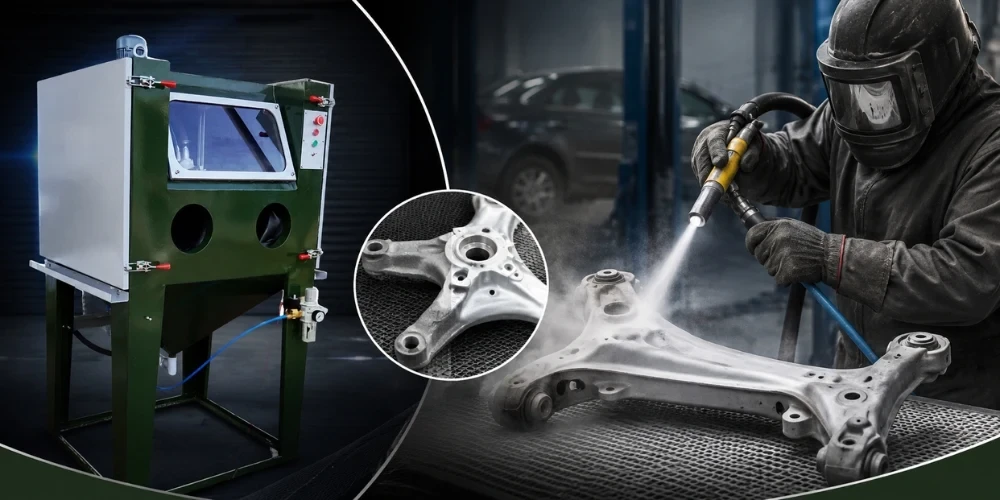
Service planning begins with understanding base metal condition, contamination type, and required finish before choosing blasting method.
Lead trigger: accurate scope definitionBetter outcomes come from selecting the right abrasive media, pressure band, nozzle setup, and coverage sequence for each application.
Lead trigger: right process for right surfaceFor production-critical jobs, structured communication on schedule, consumables, and maintenance support improves operational confidence.
Lead trigger: low-downtime service deliverySpare Parts Services
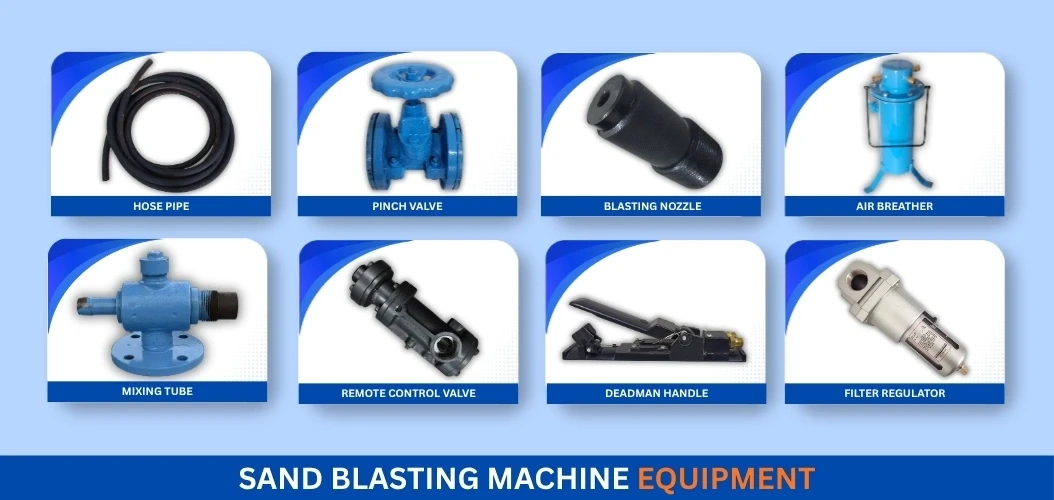
Automotive Sandblasting Spare Parts
Spare parts services keep automotive sandblasting booths, cabinets, and mobile pots productive through multi-week body jobs and mixed-media weeks. We stock nozzle inserts, lightweight hoses, holder gaskets, and metering wear tuned to low-pressure fine media so restoration lines do not idle for mismatched consumables. Kits reference your pot model, sand blasting nozzle series, and sand blasting hose diameter, so automotive sandblasting cost forecasts include realistic spare turnover, not express freight when a throat insert fails mid-shell.
Automotive Media Blasting
Support covers dryer maintenance on compressor outlets, pot seal intervals for plastic bead or crushed-glass programs, and training on clearing clogs without spiking pressure on thin panels. Optional check-ins track orifice wear against logged booth hours so shops see trends before show season. Bundles align with fine-dust extraction beside paint prep bays, where automotive media blasting and color work share the same shift calendar.
Collision and restoration shops receive field packs sized to shorter sand blasting hose runs and quick-change couplings for localized collision repair sandblasting bays. Documentation ties serial tags to recommended throat and glove replacements so stores teams order the correct revision for your automotive abrasive blasting duty class.
- Sand blasting nozzle sets for glass bead, plastic media, or fine garnet sand programs
- Hose, coupling, and deadman handle spares for booth and mobile layouts
- Cabinet gloves, windows, and lighting for hardware visibility
- Consumable packs scaled to declared weekly automotive blast hours
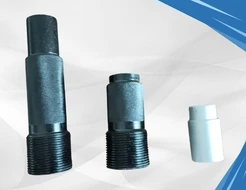 Automotive Blast Nozzle
Automotive Blast Nozzle
Precision automotive blast nozzle delivers focused abrasive impact for efficient paint, rust, and coating removal while protecting delicate vehicle surface structures.
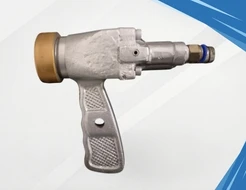 Abrasive Suction Gun
Abrasive Suction Gun
High-performance abrasive suction gun ensures smooth media pickup and controlled blasting flow, improving cleaning accuracy for automotive restoration applications.
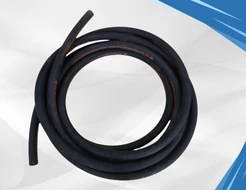 Flexible Blast Hose
Flexible Blast Hose
Durable flexible blast hose handles high-pressure abrasive movement efficiently, reducing leakage risks and supporting uninterrupted automotive sandblasting operations.
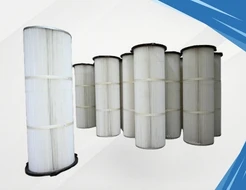 Dust Collection Filter
Dust Collection Filter
Industrial dust collection filter captures fine blasting particles effectively, improving workplace cleanliness and maintaining safer automotive repair environments.
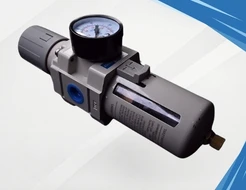 Air Pressure Controller
Air Pressure Controller
Reliable air pressure controller regulates airflow consistently, helping technicians achieve precise blasting performance on vehicle frames and metal body components.
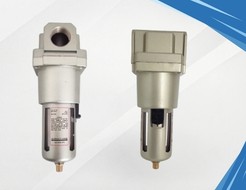 Media Flow Regulator
Media Flow Regulator
Advanced media flow regulator controls abrasive distribution accurately, reducing material waste while ensuring uniform cleaning results across automotive surfaces.
 Blast Cabinet Gloves
Blast Cabinet Gloves
Heavy-duty blast cabinet gloves provide superior hand protection and flexibility, allowing operators to perform detailed automotive blasting tasks comfortably and safely.
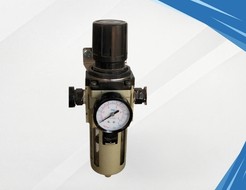 Moisture Removal Unit
Moisture Removal Unit
An efficient moisture removal unit eliminates water contamination from compressed air systems, preventing abrasive clogging and maintaining stable blasting efficiency.
Maintenance Services
Maintenance Support That Protects Uptime
Automotive Sandblasting for Shops that Cannot Gamble on Thin Metal
Restoration yards, collision repair networks, motorsport fabricators, and OEM-adjacent suppliers all search for automotive sandblasting when paint failure, corrosion, or coating rework demands mechanical stripping not another round of sanding that never reaches seam sealer in a rocker. The work is not miniature structural sand blasting: outer skins, high-strength panels, aluminum closures, and cast brackets each need different media, pressure, and heat discipline. The outcome you want is metal your primer system can trust, without warped crowns or peened edges that telegraph through high-build surfacer months later.
What Professional Automotive Sandblasting Services Define Up Front
Credible automotive sandblasting services publish scope before grit touches steel: which zones are in-bounds, whether the vehicle is a rotisserie shell or a complete car with trim pending removal, fuel and electrical isolation rules, test-patch locations, maximum bare-metal exposure, and how results will be photographed for your painter or insurer. Without that narrative, two shops quoting “full strip” are often pricing different risk profiles one assumes inner structure only, the other assumes outer skins at show-metal standards.
Automotive Media Blasting Beyond a Single Bag of Grit
Automotive media blasting usually means graded glass bead, plastic abrasive media, fine garnet, or selective soda, not one aggressive mineral load for hoods and frames alike. Media changes strip rate, heat at the nozzle, and how lacquer-era finishes lift versus modern base/clear stacks. Operators should log lot, pressure, and stand-off so the second side of a body matches the first under the agreed shop lighting. Mixing media mid-job without documentation is how color-matched restorations pick up invisible texture differences at the primer stage.
Automotive Sandblasting Cost Drivers You Should See Line By Line
Automotive sandblasting cost rarely reduces to a flat hourly booth rate. Estimators weigh paint layer count, prior filler thickness, rot-through extent, aluminum versus steel mix, containment class, media disposal, masking labor, and how much block sanding remains after blast exposure. A firewall-only campaign differs from a full shell with negative-air expectations. Ask for separated lines booth, media, disposal, post-blast epoxy hours so procurement and owners can compare identical zones and finish targets instead of headline numbers from unrelated vehicles.
Automotive Abrasive Blasting on Frames, Floors, and Hardware
Chassis rails, subframes, control arms, and suspension hardware often tolerate more direct energy than outer skins, yet fuel lines, bushings, and heat shields still need masking or removal. Automotive abrasive blasting on floors and torque boxes should note where cavity wax or seam sealer returns, so hidden channels do not sit bare longer than your epoxy window allows. Pressure blasting cabinet batches on brackets and small stampings need hang angles and media that will not round critical edges, which your assembly line still needs.
Classic Car Sandblasting Services
Classic car sandblasting services intersect patina decisions, lead-paint histories, and insurer language about total loss of original metal character. Photo logs before disassembly, agreed boundaries on visible versus hidden surfaces, and conservative parameters on thin crowns belong in writing, not verbal promises at drop-off. Originality-focused owners may accept less aggressive cleaning on exterior skins while demanding thorough structure work; the method statement should capture that split explicitly.
Collision Repair Sandblasting and Localized Panel Programs
Collision repair sandblasting targets blend zones, rail sections, and inner panels where corrosion started under seam sealer. Feather rules into sound surrounding paint sand blaster prevent hard edges that lift after refinish. ADAS sensors, bonded glass, and mixed-material panels require exclusion zones in the scope so blast energy does not migrate into adhesives or thin aluminum skins beside steel rails. Localized work still needs moisture and dust control proportionate to a live shop, not driveway assumptions.
Auto Restoration Sandblasting Handoff to Epoxy and Surfacer
After auto restoration sandblasting, the profile must marry your epoxy, high-build, and block plan. Share the paint brand and system early so parameters do not leave the metal too rough for your sealer or too polished for epoxy bite. Humidity and temperature windows from data sheets govern how long bare steel may sit; in damp climates, dehumidified bays or compatible flash inhibitors only where approved keep fine orange film from becoming an argument under fresh color.
Automotive Blast Booth Services
Automotive blast booth services pair reclaim, lighting, and air drying so operators can inspect bare metal without dust plumes hiding holidays. Open-yard programs can work with curtains and recovery when neighbors and weather allow, but optics and lead-paint rules still matter. Compare true economics: booth-backed work often lowers rework risk on irreplaceable sheetmetal even when hourly rates look higher than rental pots without containment training.
Mobile Automotive Sandblasting
Mobile automotive sandblasting suits immobile project cars, fleet equipment in yards, or large commercial bodies that will not fit a standard booth opening. Mobilized crews need air compressor discipline, grounding, barricades, and shift-end cleanup photos. Dust migration toward housing or traffic still triggers complaints; professional programs document containment and PPE tiers rather than treating outdoor work as “low risk because it is quick.
Heat, warping, and modern substrate awareness
High-strength steel work-hardens; aluminum needs softer media and different profile expectations than vintage mild steel. Crews manage lance distance, angle, and cool-down on thin roof and hood skins. Some schedules blast outer panels in morning shade. If a vendor promises warp-free results without technique detail, request references on similar gauge and alloy mix rather than accepting generic reassurance.
Safety, lead paint, and waste accountability
Older automotive finishes may contain lead or other regulated constituents. Worker protection, waste characterization, and disposal belong in the quote, not surprise drums at the invoice. Combined safety briefings cover deadman controls, sand blasting hose inspection, respiratory programs, and fire-watch thinking when dust may migrate toward hot work elsewhere in the facility.
What to send for a fast, accurate automotive quote
Provide year, make, model, photos of rust and prior repairs, shell versus complete status, target finish level, and planned primer system. We respond with a zoned automotive sandblasting plan, media per zone, containment, realistic hours, and a transparent automotive sandblasting cost structure before the first nozzle opens on your bodywork.
Routine inspection guidance reduces unexpected stoppages and improves planning for blasting checks and consumable replacement.
Lower operating riskFast support for abrasive flow issues, nozzle wear, pressure drop, and uneven surface finish without long operational delays.
Quick service responseOperational guidance on setup, consumables, and usage patterns helps improve finish quality, coverage speed, and service efficiency.
More value from investmentRequest Automotive Sandblasting Services
Send year/make/model, photos, shell or complete status, and finish target. We reply with zoned media plan, containment notes, and automotive sandblasting cost structure.
- Free technical consultation
- Customized quote with 30 minute response
- No spam, no obligation
- Direct from manufacturer pricing
- WhatsApp support available
- AMC and maintenance support available
Share a few details — our experts reply within 30 minutes with pricing and recommendations.
100% secure. We never share your information.
Why this service page exists
Maintenance heads, project teams, and fabrication buyers usually evaluate service capability before finalizing vendor discussions. This page is designed to present sand blasting service strength with clearer process, support depth, and execution confidence.
This section is designed as an enterprise value presentation to improve trust, clarify service capability, and support faster technical-commercial decisions.
Service scope, surface requirement mapping, and process planning aligned to target finish and production constraints.
Built for practical executionStructured method selection and consumable guidance support uniform cleaning profile and coating-ready surfaces.
Stronger outcome reliabilityBetter coordination for manpower, consumables, machine readiness, and service schedule to reduce project delays.
Lower onsite frictionAfter-service continuity through spare support, troubleshooting access, and preventive guidance that keeps operations stable.
Supports long-term service value