
Blast cleaning • Coating-ready prep
Abrasive Blasting Service
from profile control to painter handoffWe match media, pressure, and containment to your specification, then document cleanliness, profile, and recoat windows so blasting, painting, and inspection teams share one definition of done.
Core Service Section
Abrasive Blasting Service
Our abrasive blasting services are planned with clearly defined project specifications so customers understand exactly how surface preparation standards will be achieved before work begins. Every project scope outlines abrasive media type (abrasive garnet sand, steel shot, steel grit, copper slug, aluminum oxide, ps ball, etc.), containment arrangements, surface cleanliness targets, and the exact definition of “ready for coating” according to technical data sheets and coating system requirements. This structured approach removes uncertainty and ensures coating contractors, inspectors, and maintenance teams work from the same measurable standards rather than relying on subjective visual interpretation.
For aged multi-coat industrial systems, we perform controlled test patches to verify stripping rates, abrasive behavior, and surface response before launching full-scale blasting campaigns. This process helps confirm production estimates, coating removal efficiency, and blasting suitability under actual field conditions. Our abrasive blasting services are widely used during shutdown maintenance programs for piping systems, pressure vessels, tanks, and industrial equipment where dependable surface preparation is critical for coating performance and long-term corrosion protection.
We also support fabrication yards and field structural preparation projects requiring controlled blasting quality before primer application or industrial painting operations. By coordinating blasting schedules with painting windows, our team helps maintain workflow efficiency and reduce project delays. Using industrial-grade blasting equipment and application-focused blasting methods, our abrasive blasting services deliver reliable cleaning performance, controlled abrasive management, and repeatable industrial surface preparation results across demanding operating environments.
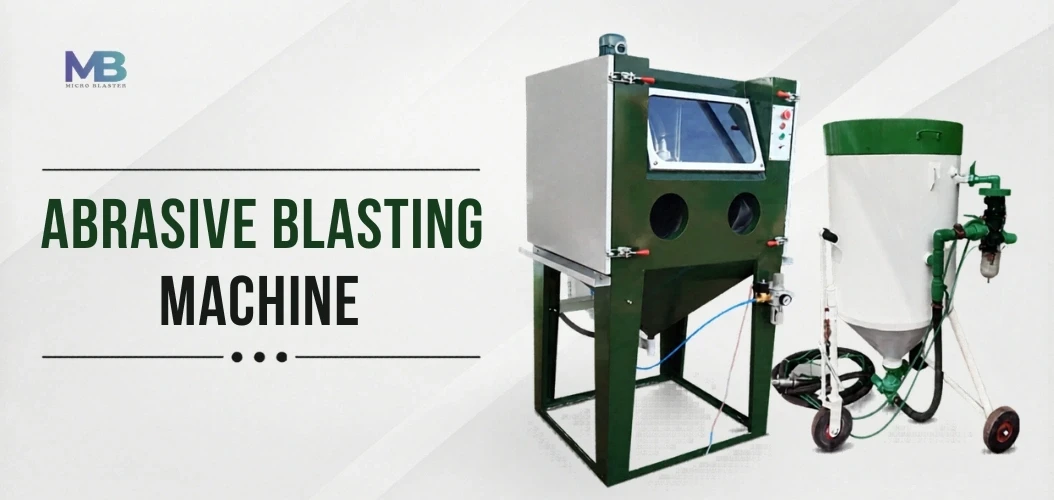
Service planning begins with understanding base metal condition, contamination type, and required finish before choosing blasting method.
Lead trigger: accurate scope definitionBetter outcomes come from selecting the right abrasive media, pressure band, nozzle setup, and coverage sequence for each application.
Lead trigger: right process for right surfaceFor production-critical jobs, structured communication on schedule, consumables, and maintenance support improves operational confidence.
Lead trigger: low-downtime service deliverySpare Parts Services
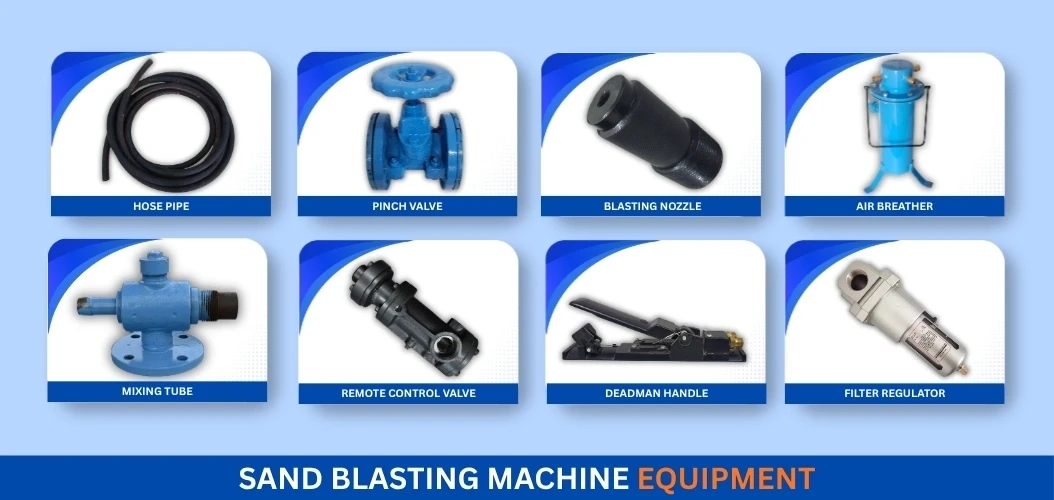
Abrasive Blasting Service Spare Parts
Reliable abrasive sand blasting spare parts availability is critical to maintaining uninterrupted abrasive blasting services across industrial maintenance, fabrication, and coating preparation projects. We support customers with organized supply planning for blast nozzles, hoses, valves, deadman controls, couplings, moisture separators, abrasive metering components, and other wear parts required for continuous blasting operations. Proper spare management helps reduce unexpected downtime and supports stable blasting productivity during demanding field schedules.
For large-scale blasting projects, operational expenses such as abrasive media consumption, air compressor, dust collector, disposal handling, mobilization costs, and weather standby provisions are clearly separated into line-item formats for transparent benchmarking and procurement comparison. This structured approach allows project managers and purchasing teams to maintain accurate cost tracking throughout blasting campaigns.
Our abrasive blasting services also include production monitoring support through daily blasting reports tied to accessible square-meter coverage and actual field progress. These production logs help customers evaluate blasting efficiency, monitor weather-related interruptions, and maintain realistic project scheduling expectations during shutdowns and long-duration maintenance programs.
By combining dependable spare-part support, transparent operational planning, and documented production tracking, our abrasive blasting services help industries maintain reliable blasting performance and improved maintenance coordination. This practical support structure ensures blasting operations remain productive, controlled, and aligned with industrial project timelines even under challenging operating conditions.
 Abrasive Blasting Nozzles
Abrasive Blasting Nozzles
Precision-engineered nozzles designed for controlled abrasive projection, faster cleaning speed, improved surface preparation, and long operational durability.
 Abrasive Blasting Hoses
Abrasive Blasting Hoses
Heavy-duty hoses are built to transfer abrasive media and compressed air smoothly while maintaining stable pressure during continuous blasting work.
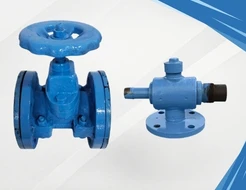 Abrasive Metering Valves
Abrasive Metering Valves
Flow-control components that regulate abrasive discharge accurately for balanced media consumption and consistent blasting performance.
 Deadman Handle Controls
Deadman Handle Controls
Operator safety devices that instantly stop abrasive flow when released, helping improve workplace safety and blasting control.
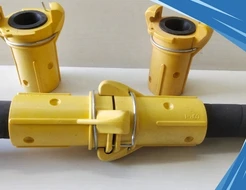 Hose Couplings & Connectors
Hose Couplings & Connectors
Industrial-grade fittings that securely connect blasting hoses and equipment to prevent pressure leakage and airflow interruption.
 Moisture Separators
Moisture Separators
Air treatment accessories that remove moisture from compressed air systems to prevent abrasive blockage and unstable blasting operation.
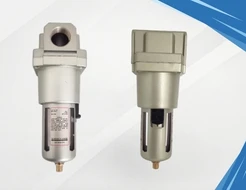 Air Regulators & Filters
Air Regulators & Filters
Essential airflow control components that maintain a clean compressed air supply and balanced blasting pressure during operation.
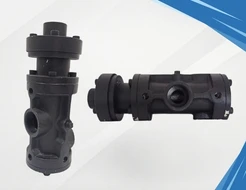 Blast Machine Valves
Blast Machine Valves
Durable pressure-control valves designed for smooth airflow regulation, reliable abrasive movement, and stable blasting machine performance.
 Safety Helmets & Breathing Systems
Safety Helmets & Breathing Systems
Protective equipment has been developed to safeguard operators from abrasive rebound, dust particles, and harsh blasting conditions.
 Rubber Liners & Wear Parts
Rubber Liners & Wear Parts
Wear-resistant protective components that reduce internal machine damage, improve sealing efficiency, and extend equipment service life.
Maintenance Services
Maintenance Support That Protects Uptime
Abrasive blasting service for industrial surface preparation
A disciplined abrasive blasting service removes failing coatings, corrosion products, mill scale, and contamination so protective systems can bond to sound metal. The work spans open-yard grit campaigns, sand blasting room prep for fabricated parts, and field rigs on tanks and structures, always anchored to a written cleanliness class, anchor profile range, and primer recoat window your coating vendor can accept.
What belongs in the technical scope before mobilization
Scopes should name substrate alloy, coating chemistry, masked zones, edge and hole protection, waste handling, and how flash rust will be controlled between blast and prime. Without that baseline, crews improvise, and QC debates appear at turnover.
Why teams search for abrasive blasting near me
When a maintenance lead types abrasive blasting near me, mobilization hours, spare abrasive blasting nozzle availability, and familiarity with local yard rules often matter as much as hourly rate. Proximity helps supervisors respond quickly if weather or access changes mid-shift. Still, compare method statements and profile documentation, not distance alone, because a well-organized farther crew may reduce total outage risk.
Shop work versus field campaigns
Yard blasting suits gates, skids, and trailerable fabrications. Installed steel, marine blocks, and refinery piping need field containment, lift coordination, and dew-point awareness. Quotes should state which model applies so painters and riggers book in the correct sequence.
Abrasive blast cleaning standards and verification
Abrasive blast cleaning is defined by measurable outcomes: visual cleanliness, anchor profile, and freedom from harmful residues, not by how loud the compressor sounds. Witness coupons, profile gauges, and agreed photographic references keep day and night crews aligned. When specifications cite SSPC, ISO verbal, or owner equivalents, those targets belong in the daily inspection log.
Media selection and substrate respect
Angular steel grit, garnet sand, steel shot, sponge, and recyclable mineral each change dust signature, profile depth, and embedment risk. Thin sheet and stainless programs need a different discipline than heavy plate test patches on hidden faces confirm aggression before full elevation work.
Abrasive blasting and painting as one coordinated program
Owners bundling abrasive blasting and painting benefit when one team owns the handoff window for abrasive blasting machine operation and painting. Bare metal clocks start when dust lifts; humidity spikes can flash rust within hours. Sequencing should name stripe-coat rules at welds, maximum hold time before primer, and who performs soluble-salt or inhibitor steps when specs require them.
Interface with third-party coating applicators
If blasting and painting are split across vendors, define tie-in limits on isometrics and require signed daily readiness reports. Holidays at flange faces and stiffener toes are where multi-contractor jobs usually fail, not at a wide flat plate.
Abrasive blasting and coating services for turnarounds
Shutdown teams evaluating abrasive blasting and coating services need a look-ahead on media resupply, crane slots, and fire-watch boundaries when hot work adjoins. Communication tools, photo channels, marked P&IDs, and agreed pause words matter as much as nozzle size. Document containment near live aisles so that adjacent production trusts the barricade plan.
High-build, metallizing, and lining systems
Different coating families demand different profile ceilings. High-build epoxies, zinc-rich primers, and rubber linings each read profile differently; align blast parameters to the manufacturer's data sheet before the first shift, not after holidays appear under inspection lights.
Abrasive blast cleaning services buyers should compare fairly
When you benchmark abrasive blast cleaning services, separate mobilization, labor shifts, media tons, disposal, equipment rental, and weather standby. Ask how the profile is verified, how stainless is segregated from carbon workflows, and how spent abrasive is handled near storm drains. Identical line items make scorecards honest.
Regulated coatings and waste streams
Older industrial paint may trigger sampling, enhanced PPE, and manifesting for debris. Dust control options enter the plan when neighbors or HVAC intakes are close. Disclose building age and prior thermal spray coating history during technical review.
Structural steel, tanks, and piping
Large campaigns need staging maps: which spools blast first, where painters follow, and how scaffolding hands off to blasters. Wind breaks, night lighting, and compressor CFM margins should be sized for realistic nozzle consumption, not brochure peaks that never sustain on site.
Internal surfaces and confined volumes
Tank interiors and enclosed vessels demand ventilation plans, continuous gas monitoring where required, and disciplined egress routes. Blasting without a written confined-space addendum is how schedules stall when safety officers rightly pause work.
Automotive, OEM, and precision fabrication
Thinner sections need gentler parameters and temperature awareness on sunny panels. Machined bores and threaded holes need plugs and masks so media does not embed where tolerances matter. Restoration customers judge warp, pitting, and edge quality as much as speed.
Safety, dust, and community expectations
Open blasting in mixed-use areas may require curtain walls, negative-air planning, and end-of-shift cleanup photos. Breathing-air quality, deadman handel controls, and hose inspection are baseline. Invite your EHS lead to a pre-job walk so confined-space, height, and hot-work rules are mutual before the first nozzle opens.
Commercial clarity finance teams expect
Note whether power, water, cranes, or scaffolding are owner-furnished. Change orders should reference drawing revisions. Sand blasting nozzle and sand blasting hose wear budgets belong in multi-shift outages, so standby does not surprise procurement mid-turnaround.
Progress reporting owners actually use
Daily square-meter logs, media tonnage reconciliation, and photo sets at tie-ins give project controls confidence without standing beside every nozzle. That transparency is what keeps abrasive programs on the critical path during compressed turnarounds.
Search visibility without empty ranking promises
No ethical partner guarantees automatic “top rank” in search engines. Sustainable visibility comes from helpful pages, fast mobile performance, accurate schema, trustworthy FAQs, and field outcomes inspectors can photograph. We focus on documented profiles, agreed cleanliness, and coating-ready handovers, not buzzwords. Strong technical content answers real buyer questions, which is what search engines reward over time.
What to send for a faster quote
Share alloy photos, coating stack, approximate area, access method, environmental sensitivities, and target primer or lining system. Note whether you need blast-only prep or a combined coating program. We return a written method with abrasive media choice, realistic production assumptions, and clear boundaries so your preparation scope is defensible to QA, safety, and procurement teams.
Routine inspection guidance reduces unexpected stoppages and improves planning for blasting checks and consumable replacement.
Lower operating riskFast support for abrasive flow issues, nozzle wear, pressure drop, and uneven surface finish without long operational delays.
Quick service responseOperational guidance on setup, consumables, and usage patterns helps improve finish quality, coverage speed, and service efficiency.
More value from investmentRequest an Abrasive Blasting Service Quote
Send substrate photos, coating type, area, and access limits. We reply with media recommendation, blast-and-coat sequencing options, and a commercial structure your QA team can review.
- Free technical consultation
- Customized quote with 30 minute response
- No spam, no obligation
- Direct from manufacturer pricing
- WhatsApp support available
- AMC and maintenance support available
Share a few details — our experts reply within 30 minutes with pricing and recommendations.
100% secure. We never share your information.
Why this service page exists
Maintenance heads, project teams, and fabrication buyers usually evaluate service capability before finalizing vendor discussions. This page is designed to present sand blasting service strength with clearer process, support depth, and execution confidence.
This section is designed as an enterprise value presentation to improve trust, clarify service capability, and support faster technical-commercial decisions.
Service scope, surface requirement mapping, and process planning aligned to target finish and production constraints.
Built for practical executionStructured method selection and consumable guidance support uniform cleaning profile and coating-ready surfaces.
Stronger outcome reliabilityBetter coordination for manpower, consumables, machine readiness, and service schedule to reduce project delays.
Lower onsite frictionAfter-service continuity through spare support, troubleshooting access, and preventive guidance that keeps operations stable.
Supports long-term service valueCommon questions
What does an abrasive blasting service include?
Typical scope covers coating and corrosion removal, anchor profile to your specification, edge and hole protection as agreed, waste handling, and documented handover for priming or lining. Optional painting coordination can be bundled when you want one team to own the recoat window.
What is the difference between blast cleaning and full coating services?
Blast cleaning stops at prepared metal within agreed profile and cleanliness limits. Full coating services add primer and topcoat application under the same schedule controls. We define interfaces clearly when blasting and painting are split across vendors.
Which abrasive media do you recommend?
Media depends on alloy, coating stack, profile target, and dust sensitivity. Angular grit, garnet, steel shot, and recyclable options each behave differently. Test coupons on sacrificial areas confirm the right choice before production blasting.
Can you work on site and in your yard?
Yes, depending on asset size and access. Shop work suits trailerable parts; field crews handle installed steel, tanks, and structures with containment and lift plans documented in the proposal.
How do you prevent flash rust after blasting?
We align on maximum hold time, humidity limits, dew-point monitoring, and optional inhibitors where specs allow. Same-shift priming or stripe coating at welds reduces oxidation risk on critical outages.
Do you provide abrasive blasting and painting together?
Integrated programs are available when you want sequenced blast-to-paint handoffs. Scopes name primer type, DFT targets, and inspection hold points so QA teams know who signs each stage.
What should I send for an accurate quote?
Photos, substrate and coating type, approximate area, height access, environmental sensitivities, and target coating system. Note shutdown dates and whether power, air, lifts, or scaffolding are owner-furnished.
How do you document quality for turnover?
Daily logs, witness coupons, profile readings where required, and photographs of difficult geometry support inspection. Digital records speed packages for owners, EPCs, and coating inspectors at closeout.