3 June 2022
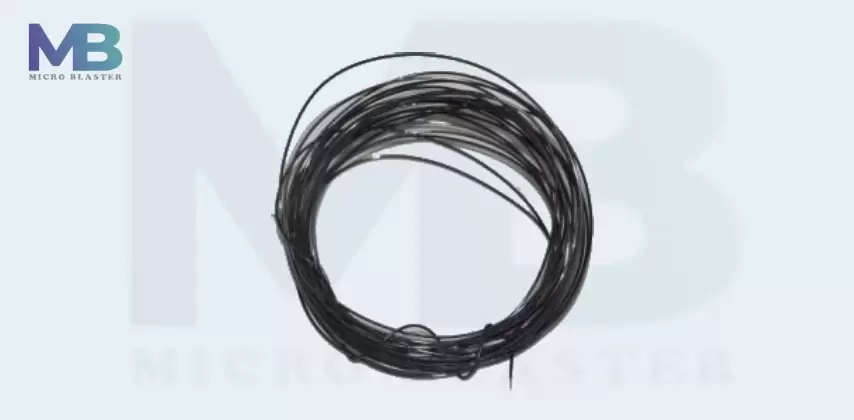
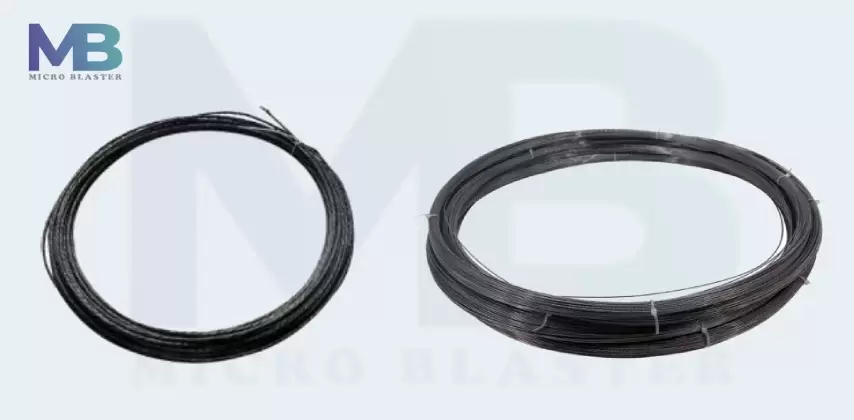
Molybdenum Wire
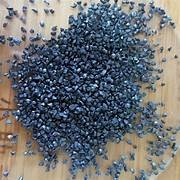
An abrasion component termed steel grit is utilized in several kinds of processes in manufacturing, notably the surface of metal wrapping up, preparation for use, and cleaning. The substance used to generate it is pulverized and made from steel that has gone through a particular temperature treatment to create angular particles. With the assistance of these triangular particulates, the outside of metal may be successfully scrubbed and made available for spraying or more processing by getting rid of corrosion paint, scale, and various contamination.
Steel grit may be personalized based on the particular needs of the task because it is available in an abundance of dimensions and roughness levels. It is commonly used in sectors like construction, metal manufacturing, maritime construction, automotive, and manufacturing facilities. When compared to other abrasive materials, steel grit can be used with drilling processes to provide rapid and successful surface cleaning that is economically feasible and ecologically benign.
Steel Grit Manufacturers
Steel grit is exceptionally durable and doesn't considerably lose its abrasion qualities, even when processed on multiple occasions. As a result of their resilience, abrasive media endure longer, which minimizes the necessity for frequent media maintenance and the overall cost of operation. Steel grit enables steady and dependable outcomes during preparation for surfaces and cleaning operations because the material keeps its current shape as well as hardness over time.
Reliable performances as well as consistent finishing touches are the outcome of this regularity. Steel grit nanoparticles' angular development promotes effective chopping and scrubbing of the surfaces of metal. Rust, production, coatings, and other imperfections have been efficiently eliminated while leaving behind a clean and appropriately cleaned substrate ready for surrounding or supplementary treatment.
Steel Grit in India
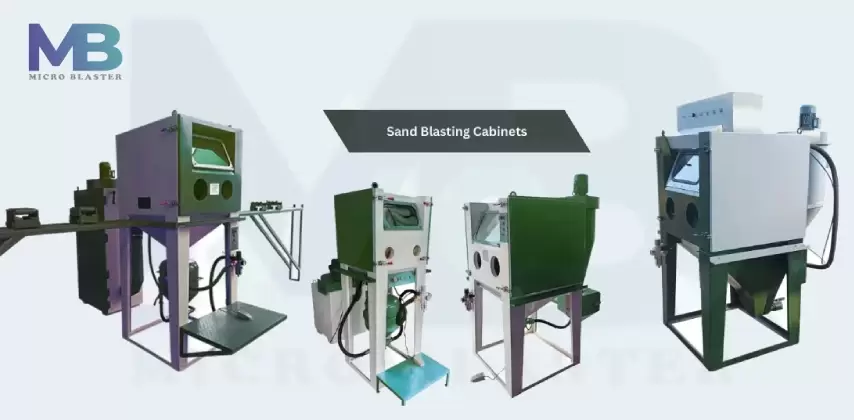
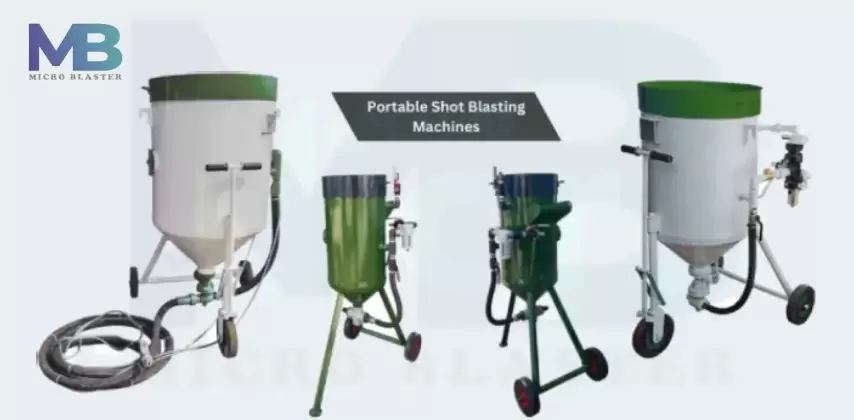
Steel grit is frequently employed for preparing substrates for welding because of its coating. It ensures that all subsequent coatings bond to metal surfaces properly, effectively getting rid of impurities, corrosion scale, and existing coatings. Steel grit is driven against whatever is to be wiped in abrasive blasting treatments to scrub and prepare surfaces. This technique is used to clean metal surfaces, get rid of corrosion, and prepare materials prepared to undergo painting or coating in the maritime construction, development, motor vehicles, and aeronautical industry sectors.
Steel Grit Applications
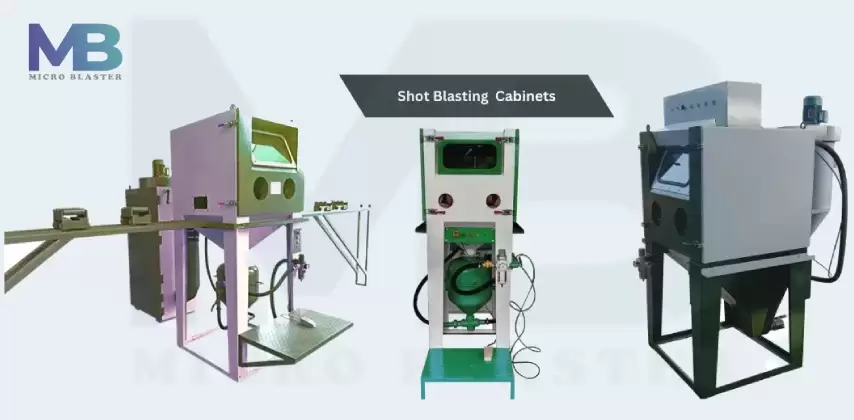
In the shot peening processes, steel grit is employed to enhance strength and extend the lifespan after fatigue of parts made of metal. Shot peening generates residual compression stress on the exterior of metal elements by throwing them with a blast of high-velocity steel grit particles. This improves the component's resilience to stress, fatigue, corrosion, and fatigue corrosion breaking. Steel grit can be utilized in foundries to prepare surfaces for further processing or refining operations, clean and descal metal castings, and remove grit residues.
Metal components may be given certain surface finishes through the application of steel grit. The quantity and hardness of the grit determine the extent to which various roughnesses of the surface levels, including textures, may be accomplished, answering the needs of a broad range of industry sectors, including metal production, both equipment and automobile manufacturing.
Steel Grit Advantages
Throughout the manufacturing process, steel grit functions well for eliminating burrs and flashes from metal parts, thereby assuring the end-product goods' dimensional preciseness with a smooth finish. Steel grit is occasionally employed in construction and infrastructure work to remove contaminants from concrete surfaces, comprising protective coatings, contaminants, and subsurface impurities, to prepare for possible topping compositions or repairs. These happen to be just some of the examples of the various applications for steel grit that are available to produce neat adequately cleaned surfaces on metal for different manufacturing processes.