3 June 2022
Molybdenum Wire
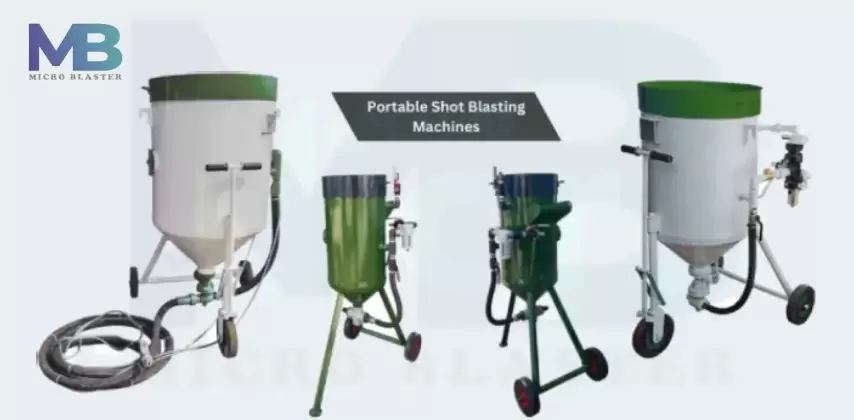
In any high-performance compressed air shot blasting machine setup, the media, whether it’s glass beads or steel shot, is only as effective as the force driving it. If the blasting cabinet is the body and the abrasive is the muscle, then the air compressor is undoubtedly the heart.
Choosing the Right Air Compressor for Shot Blasting
A common mistake in industrial surface preparation is focusing solely on the blasting machine while underestimating the compressor. To achieve professional, consistent results, you must understand the critical relationship between air pressure, volume, and efficiency.
Why the Air Compressor is Critical
Shot blasting requires a massive, steady flow of energy. Unlike small pneumatic tools that use air in bursts, a sand blasting nozzle requires a continuous stream. If your compressor is undersized or inefficient, you will face:
-
Pressure Drops: Resulting in weak cleaning and uneven finishes.
-
Media Waste: Low pressure prevents the abrasive from reaching the "impact velocity" needed to work, meaning you use more media for less result.
-
Equipment Strain: Forcing a small compressor to run at 100% capacity leads to overheating and premature mechanical failure.
Key Technical Parameters of Air Compressor: CFM and PSI
When selecting or selling a compressor for shot blasting, two metrics define success:
1. CFM (Cubic Feet per Minute) - The Volume
This is the most important factor. CFM determines how much air the compressor can move. Larger nozzles require higher CFM. If your compressor can't keep up with the volume of air escaping the nozzle, your pressure will plummet.
-
Professional Tip: Always choose a compressor that provides 25-50% more CFM than your nozzle requires to account for wear and system friction.
2. PSI (Pounds per Square Inch) - The Pressure
PSI determines the "punch" or velocity of the media. Most compressed air shot blasting operations require a consistent 90 to 110 PSI at the nozzle. Higher PSI is used for heavy-duty rust removal, while lower PSI is used for delicate glass bead finishing.
Types of Compressors for Shot Blasting
Not all compressors are built for the rigors of a blast room. Here is how they stack up:
-
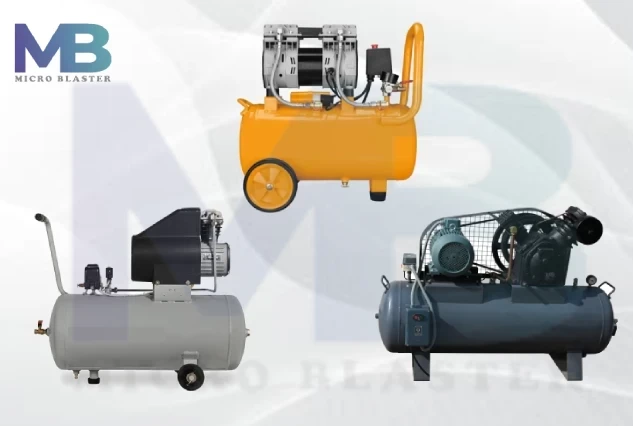
Rotary Screw Compressors: The gold standard for professional shops. They are designed for 100% duty cycles, meaning they can run 24/7 without stopping. They provide a smooth, pulse-free air stream that is essential for uniform surface finishes.
-
Reciprocating (Piston) Compressors: A reciprocating air compressor is better suited for smaller workshops or intermittent use. While more affordable, they often require "rest periods" to cool down and may struggle with the constant demand of large-scale blasting.
-
Portable Diesel Compressors: The go-to for on-site work (like bridge or ship blasting) where electrical power isn't available.
The Importance of Clean, Dry Air
A "deep" understanding of compressed air shot blasting includes knowing that air quality is just as important as air quantity.
-
Moisture is the Enemy: If your compressor sends wet air into the blast pot, the media will clump, the nozzle will clog, and the metal surface may flash-rust.
-
The Solution: A professional setup must include an aftercooler and a moisture separator (or air dryer) to ensure the air is bone-dry before it meets the abrasive.
Investing in a high-quality shot blast compressor is an investment in your final product’s quality. Whether you are aiming for the satin finish of glass beads or the rugged strength of steel shot, your compressor is what makes that transformation possible.
Maximize Your Productivity Today. Don't let a weak air supply bottleneck your production. We offer a range of High-Output Rotary Screw and Industrial Piston Compressors specifically engineered for the high-demand environment of abrasive blasting.
Ready to find the perfect match for your blast cabinet? Contact us to discuss the specific requirements of your next project.
Air Compressor Manufacturer in India
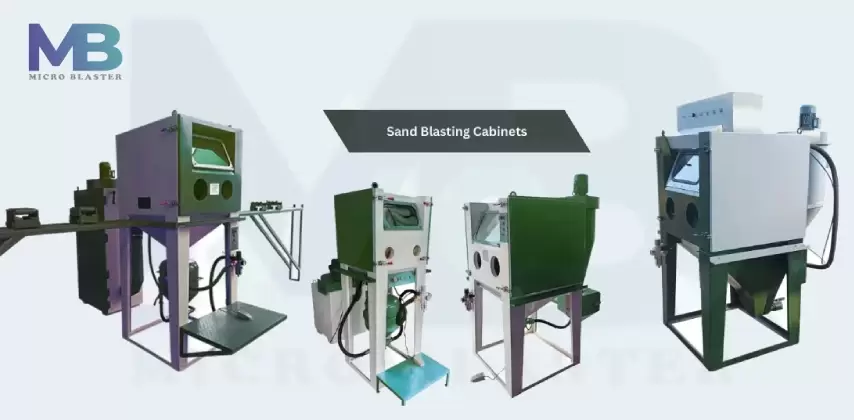
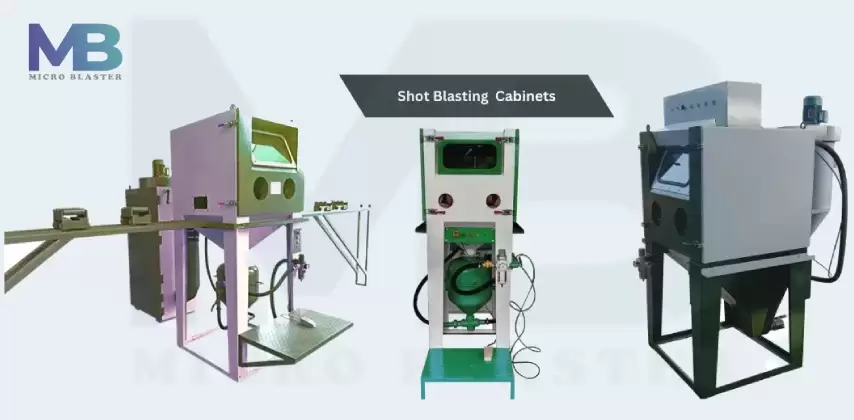
We are the top manufacturers and suppliers of Air Compressors for Shot Blasting Machines, and our product range includes sand blasting machine, sand blasting cabinets, suction blasting cabinets, wet blasting machines, abrasive blasting machine, laser rust cleaning machines, internal pipe blasting equipment, sand blasting rooms, sand blasting helmets, and other customized blasting systems built to meet diverse industry requirements. Each machine is engineered with precision to ensure efficiency, long service life, and consistent performance in demanding working conditions.